

WeVote

Bill

Bill

HR 9302

Student Athlete Act of 2026

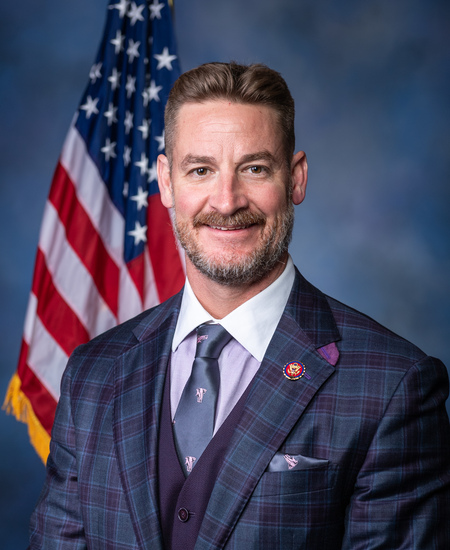
119th Congress Introduced by Greg Steube

The bill would establish clear eligibility criteria for student athletes to participate in intercollegiate sports and set up a framework to enforce and administer those rules.

Introduced in House
0
WeVote Research Nonpartisan
Bill Summary · HR 9302

Overview

HR 9302 (119th Congress) is a bill introduced in the House of Representatives that seeks to establish rules governing the eligibility of student athletes for intercollegiate athletics, along with provisions relating to other related matters. The measure was introduced and subsequently referred to the House Committee on Education and Workforce on June 11, 2026. Co-sponsor: Greg Steube.

Core purpose and intent

  • Establish clear rules and standards related to the eligibility of student athletes to participate in intercollegiate athletics.
  • Address eligibility criteria in a manner intended to regulate who can compete at the collegiate level, potentially touching on aspects such as amateur status, transfer rules, and other eligibility determinants.
  • Include provisions that extend beyond eligibility, potentially covering related administrative or governance questions tied to intercollegiate athletics.

Key provisions and changes (as described)

  • Eligibility standards: The bill sets forth criteria that student athletes would need to meet to be eligible to participate in intercollegiate athletics at a college or university.
  • Administrative framework: Likely creates or modifies a regulatory or oversight framework to implement and enforce the eligibility rules (e.g., responsibilities for educational institutions, athletic departments, and relevant governing bodies).
  • Scope of application: Applies to intercollegiate athletic programs at colleges/universities within the United States, and may address how eligibility determinations are made in various scenarios (e.g., amateur status, transfers, and eligibility waivers).
  • Related provisions: The phrase “and for other purposes” suggests additional provisions ancillary to eligibility, which could include compliance requirements, reporting, or enforcement mechanisms.

Who and what would be affected

  • Student athletes: Primary recipients of the eligibility criteria; their ability to participate would depend on meeting the standards set forth.
  • Educational institutions: Colleges and universities with intercollegiate athletic programs would need to align policies and procedures with the new eligibility rules, including compliance and recordkeeping.
  • Governing bodies and administrators: Athletic departments, compliance offices, and possibly national athletic associations or regulatory agencies would implement and enforce the rules.
  • Potential impact on transfers and amateur status: Depending on the specifics, transfer eligibility processes and the designation of amateur status could be impacted.

Procedural and timeline aspects

  • Introduction and referral: Introduced in the House and referred to the Committee on Education and Workforce on June 11, 2026.
  • Next steps: The committee could hold hearings, mark up the bill, and potentially report it to the full House for consideration. If reported, the bill would move to the House floor for debate and a vote. If enacted, it would become law after any required further actions (e.g., Senate consideration and presidential signature).

Notes

  • The summary reflects the stated purpose and typical scope implied by the title and available action history. Specific, detailed provisions (text of the bill) would clarify exact eligibility criteria, definitions (e.g., “student athlete,” “intercollegiate athletics,” transfer rules), penalties for noncompliance, and any phased timelines.

Compiled from official sources — confirm details with the bill’s official record.

Sign in to ask a question.