

WeVote

Bill

Bill

HR 9097

American Manufacturing Revitalization Exchange Program Act of 2026

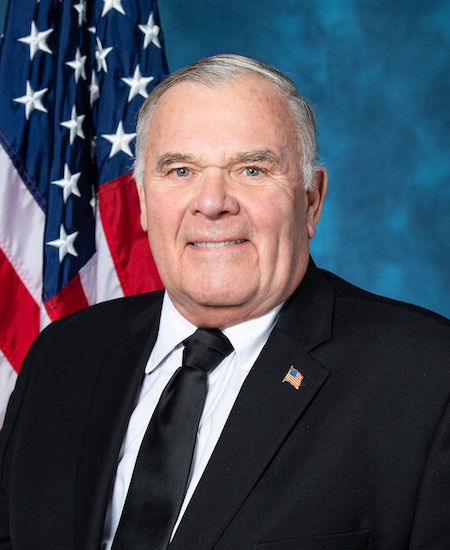
119th Congress Introduced by Jim Baird and 7 co-sponsors

Establishes an international educational exchange program to strengthen the U.S. manufacturing workforce through global collaboration, training, and capacity building.

Introduced in House
0
WeVote Research Nonpartisan
Bill Summary · HR 9097

Overview

HR 9097, introduced in the 119th Congress, would establish a new educational exchange program designed to strengthen manufacturing workforce education in the United States. The bill aims to expand opportunities for students, educators, and professionals to participate in international exchange activities focused on manufacturing skills, innovation, and related fields. The intent is to bolster the domestic manufacturing workforce by fostering cross-border learning, collaboration, and capacity building.

Primary purpose and intent

  • Create an educational exchange program specifically targeted at enhancing manufacturing workforce education.
  • Facilitate international exchanges to share best practices, technical training, and advanced manufacturing techniques.
  • Strengthen U.S. capacity to train and prepare a skilled manufacturing workforce to meet current and future industry needs.

Key provisions and changes (highlights)

  • Establishment of an educational exchange program under a designated federal framework to promote manufacturing-focused exchanges.
  • Participation eligibility criteria likely to include students, teachers, faculty, industry professionals, and other stakeholders involved in manufacturing education and workforce development.
  • Provisions for funding, administration, and oversight (including potential collaboration with U.S. educational institutions, industry partners, and international counterparts).
  • Mechanisms to facilitate exchange activities such as short-term and long-term programs, internships, apprenticeships, teacher exchanges, and study abroad components, all centered on manufacturing sectors (e.g., advanced manufacturing, robotics, supply chain, quality control, workforce development).
  • Reporting and accountability requirements to monitor program outcomes, including metrics related to participant placement, skill attainment, and impact on domestic manufacturing workforce readiness.
  • Considerations to ensure program compatibility with U.S. labor standards, safety, and relevant export or trade compliance requirements.

Who would be affected

  • Students and educators in STEM and manufacturing-related fields seeking international learning opportunities.
  • U.S. colleges, universities, technical institutes, and training organizations that would host or partner in exchange activities.
  • Manufacturing employers and industry associations that may participate as host sites, mentors, or sponsors.
  • Federal agencies involved in education, workforce development, and international exchange programs (potentially including coordination with the Department of Education and related entities).
  • International counterparts in partner countries participating in the exchange network.

Procedural and timeline aspects

  • The bill was introduced in the House and referred to the House Committee on Foreign Affairs (as of the latest action history).
  • Given the referral to a foreign affairs committee, the program would likely involve interagency coordination, possible executive branch collaboration, and potential need for appropriations or authorizations to fund activities.
  • As a newly established program, implementation would follow eventual committee action, potential markup, and passage by the House, with subsequent steps in the Senate and any required presidential signature or veto considerations.

Potential impact

  • Expanded opportunities for hands-on, international manufacturing education experiences for U.S. participants.
  • Enhanced collaboration between U.S. institutions and international partners to share best practices and technologies in manufacturing.
  • Potential improvements in manufacturing workforce readiness, including exposure to global standards, innovations, and diverse workforce development approaches.
  • A framework for measuring program effectiveness and aligning outcomes with national manufacturing and economic goals.

If you’d like, I can tailor this summary to align with a specific audience (e.g., policymakers, educators, industry stakeholders) or search for additional text from the bill to flesh out exact definitions, funding provisions, and reporting requirements.

Compiled from official sources — confirm details with the bill’s official record.

Sign in to ask a question.