

WeVote

Bill

Bill

HR 10120

To establish a National Flood Impact Reduction and Resilience Program to achieve major measurable reductions in the losses of life and property from floods through a coordinated Federal effort, and for other purposes.

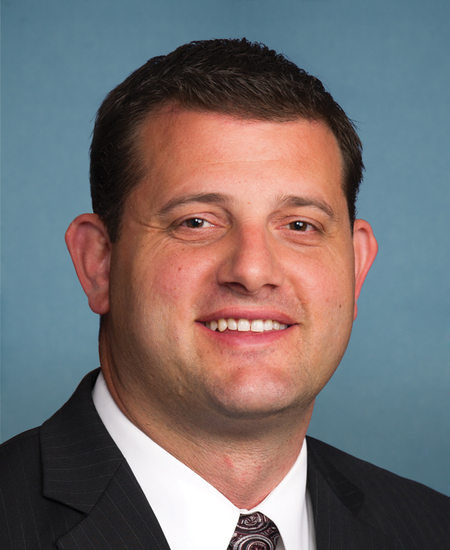
119th Congress Introduced by David Valadao

Establish a centralized National Flood Impact Reduction and Resilience Program to coordinate federal, state, and local efforts for measurable reductions in flood deaths and propert

Introduced in House
0
WeVote Research Nonpartisan
Bill Summary · HR 10120

Overview

HR 10120, introduced in the 119th Congress, seeks to establish a National Flood Impact Reduction and Resilience Program. The bill aims to achieve major measurable reductions in losses of life and property from floods through a coordinated federal effort, along with related provisions to support resilience and risk reduction.

Purpose and intent

  • Create a centralized, national program dedicated to reducing flood-related harm.
  • Promote proactive flood risk management to minimize fatalities, injuries, property damage, and economic disruption from flood events.
  • Coordinate federal agencies, states, tribes, territories, and stakeholders to implement flood resilience activities.

Key provisions and changes

  • Establishment of the National Flood Impact Reduction and Resilience Program (the Program).
    • Likely framework to organize federal flood risk activities under a single, coordinated program (exact organizational structure would be defined in the bill text).
  • Goals and performance measures.
    • Targeted, measurable reductions in flood losses, potentially expressed as percent reductions in fatalities and property damage over specified timeframes.
  • Federal coordination and governance.
    • Designation of lead agencies and interagency coordination mechanisms to unify flood risk assessments, planning, funding, and implementation.
    • Possible creation of councils or coordination bodies to align activities across agencies (e.g., FEMA, NOAA, USACE, and others involved in flood risk management).
  • Funding and financing.
    • Provisions for authorized appropriations or funding pathways to support program activities, including grants, technical assistance, and resilience investments.
    • Potential emphasis on leveraging federal, state, local, and private sector resources.
  • Program activities and tools.
    • Hazard mapping enhancements, floodplain management improvements, avoidance and mitigation measures, and resilient infrastructure investments.
    • Community right-sizing, risk communication, and public education components to increase awareness and preparedness.
  • Data, analytics, and standards.
    • Requirement to develop standardized data collection, flood models, and performance metrics to assess progress and inform decision-making.
  • Resilience benchmarks and reporting.
    • Regular reporting on progress toward reduction targets, program outcomes, and lessons learned.
  • Accountability and oversight.
    • Provisions to ensure transparency, compliance with federal standards, and alignment with federal flood risk management priorities.

Who is affected

  • Federal agencies involved in flood risk, emergency management, infrastructure, and weather/climate science (e.g., FEMA, NOAA, USACE) and their programs.
  • State, local, tribal, and territorial governments collaborating on flood planning and mitigation.
  • Property owners, developers, and communities located in flood-prone areas benefiting from enhanced risk reduction and resilience measures.
  • Stakeholders in the insurance and real estate sectors, as resilience and risk information become more standardized and actionable.

Procedural and timeline aspects

  • Action history indicates:
    • Introduced in the House and referred to the House Committee on Transportation and Infrastructure on August 20, 2026.
  • As a newly introduced measure, timeline specifics (committee marks, floor consideration, potential amendments, and passage) would be determined by subsequent committee action and legislative scheduling.
  • Co-sponsor: Representative David Valadao.

Potential impact and considerations

  • Aims to standardize and intensify federal flood resilience efforts, potentially accelerating investments in flood mitigation, better risk communication, and data-driven decision making.
  • Could influence federal funding priorities for flood projects and resilience programs at state and local levels.
  • The success of outcomes would depend on the final text, including funding levels, governance structure, and enforcement mechanisms.

If you’d like, I can compare this bill’s provisions to existing flood risk programs (e.g., FEMA’s mitigation program, USACE flood risk management authorities) once the full text is available, and provide a side-by-side impact assessment.

Compiled from official sources — confirm details with the bill’s official record.

Sign in to ask a question.