

WeVote

Bill

Bill

HR 9862

To direct the Secretary of Veterans Affairs to seek to enter into an agreement with a federally funded research and development center for the conduct of an independent evaluation of artificial intelligence systems in use by the Veterans Health Administration, and for other purposes.

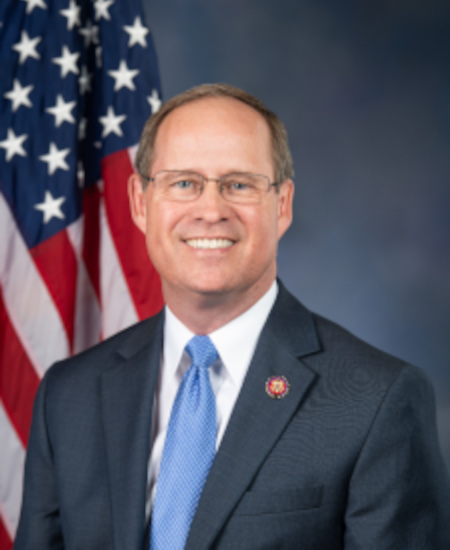
119th Congress Introduced by Greg Murphy

The bill directs VA to hire an independent FFRDC to evaluate the VA’s AI systems for safety, effectiveness, bias, and governance.

Introduced in House
0
WeVote Research Nonpartisan
Bill Summary · HR 9862

Summary of HR 9862 (119th Congress)

Purpose and overall intent

  • HR 9862 directs the Secretary of Veterans Affairs (VA) to seek to enter into an agreement with a Federally Funded Research and Development Center (FFRDC) to conduct an independent evaluation of artificial intelligence (AI) systems currently in use by the Veterans Health Administration (VHA).
  • The aim is to obtain an objective, third-party assessment of how VA’s AI systems are performing, including safety, effectiveness, accuracy, reliability, and potential biases.

Key provisions and changes proposed

  • Requirement to engage an FFRDC: The bill instructs the VA Secretary to seek, and presumably enter into, an arrangement with an eligible FFRDC to perform the independent evaluation.
  • Independent evaluation parameters: While specific methodologies are not detailed in the available summary, the evaluation is framed as independent, implying review of:
    • Clinical performance and outcomes associated with VA AI tools
    • Safety considerations and risk management
    • Data integrity, privacy, and security implications
    • Transparency, accountability, and governance related to AI deployments
    • Potential biases and equity implications across Veteran populations
  • Scope of AI systems: The evaluation would cover AI systems currently in use by the VHA, though the bill does not enumerate which applications or tools are included.
  • Possible timing and periodicity: The bill text indicates an independent evaluation but does not specify a fixed timeline for completion or whether subsequent evaluations would be required. It is common for such provisions to involve initial assessment followed by ongoing periodic reviews, but exact cadence would depend on implementing regulations or the eventual agreement with the FFRDC.

Who or what would be affected

  • VA and the Veterans Health Administration: The primary affected entity is the VA, specifically the VHA’s deployment and use of AI systems in healthcare delivery and related operations.
  • Independent evaluator: An FFRDC would be engaged to perform the evaluation, bringing an external, government-funded perspective to appraise VA AI activities.
  • Veterans: Indirectly affected through potential improvements in AI-driven care, safety, and equity stemming from the independent review.

Procedural and timeline considerations

  • Introduction and referral: The bill was introduced in the House and referred to the House Committee on Veterans’ Affairs (as of July 22, 2026).
  • Sponsor: The bill has a co-sponsor (Greg Murphy), indicating bipartisan or sector-specific support but subject to committee consideration and potential amendments.
  • Implementation pathway: The bill anticipates an agreement process with an FFRDC, which would involve identifying a qualifying center, negotiating terms, and executing an evaluation plan. The absence of detailed timelines in the summary suggests that regulatory or supplemental documents would dictate milestones, deliverables, and reporting timelines.

Potential impact and significance

  • Accountability and oversight: By mandating an independent evaluation, the bill seeks to enhance oversight of AI deployments in VA healthcare, potentially increasing trust and safety for Veterans.
  • Quality improvement: Findings could guide improvements in AI tools, data practices, and governance within the VHA.
  • Transparency: An external assessment can provide objective insights into the performance and risks associated with VA AI systems.
  • Policy development: Results may inform future VA policies on AI deployment, vendor selection, risk management, and ethics in medical AI.

Note: The summary is based on the bill’s stated objective and actions. For precise language, scope, and deliverables, reviewing the full text as introduced and any subsequent committee amendments would be necessary.

Compiled from official sources — confirm details with the bill’s official record.

Sign in to ask a question.