Summary of HR 8493 (119th Congress)
Basic information
- Title: To direct the Secretary of Health and Human Services, acting through the Assistant Secretary for Mental Health and Substance Use, to establish an interagency working group on peer-to-peer behavioral health programs for law enforcement officers and first responders, and for other purposes.
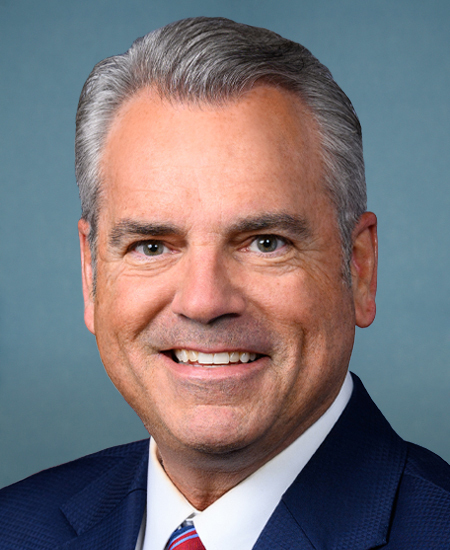
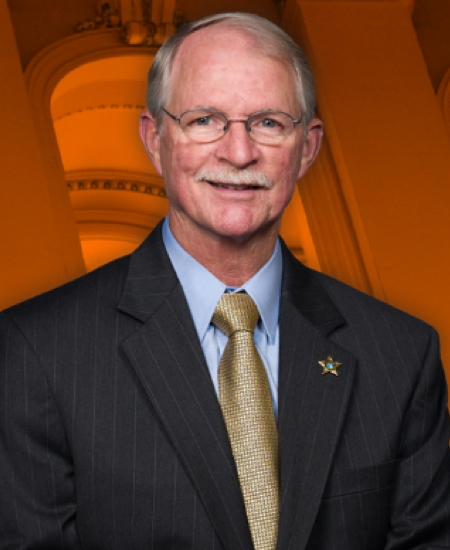
- Sponsor(s): Representative Suhas Subramanyam (co-sponsors: John Rutherford, Mark Alford)
- Status: Introduced and referred on 2026-04-23
- Referral: Committee on Energy and Commerce, with additional referrals to the Committee on the Judiciary, and the Committee on Transportation and Infrastructure (for provisions within their jurisdictions)
Purpose and intent
The bill directs the engagement of federal leadership to improve behavioral health support for law enforcement officers and first responders by establishing an interagency working group. The primary aim is to coordinate and enhance peer-to-peer behavioral health programs, facilitating access to mental health resources, reducing stigma, and improving overall well-being among frontline public safety personnel.
Key provisions (highlights)
- Establishment of an interagency working group: The Secretary of Health and Human Services (acting through the Assistant Secretary for Mental Health and Substance Use) would create an interagency working group.
- Focus on peer-to-peer programs: The working group would coordinate or promote peer-to-peer behavioral health programs tailored for law enforcement officers and first responders.
- Interagency coordination: Likely to involve multiple federal departments/agencies given “interagency” language, though specific agencies beyond HHS are not enumerated in the summary.
- Purpose alignment: Programs would aim to improve access to behavioral health services, support the well-being of responders, and address issues such as stress, PTSD, substance use, and related mental health concerns.
- “For other purposes”: Indicates potential additional provisions or authorities related to the overarching goal, to be determined during legislative process.
Who would be affected
- Primary beneficiaries: Law enforcement officers and first responders (e.g., police, firefighters, emergency medical personnel) who encounter work-related behavioral health challenges.
- Federal entities: The Department of Health and Human Services (specifically the Office of the Assistant Secretary for Mental Health and Substance Use) would lead the initiative, with involvement from other federal agencies as determined by the interagency group.
- Potentially impacted organizations: State and local public safety agencies could benefit from guidance, funding opportunities, or program templates developed through the interagency collaboration.
Procedural and timeline aspects
- Introduction and referrals: The bill was introduced on 2026-04-23 and referred to the House Committee on Energy and Commerce, with additional referrals to the Judiciary, and Transportation and Infrastructure for provisions within their jurisdiction.
- Timeline: As of the introduction, no specific dates for formation, milestones, or funding are provided in the summary. If enacted, the bill would likely set a schedule via the interagency working group’s charter or accompanying language in the bill or subsequent amendments.
Potential impact and considerations
- Impact: If enacted, the bill could standardize or scale peer-to-peer support structures for first responders nationwide, potentially improving access to confidential mental health resources and reducing stigma.
- Funding and implementation: Details on funding, governance structure, membership, reporting requirements, and measurable outcomes are not specified in the summary and would be important to review as the bill progresses.
- Interagency dynamics: Success hinges on effective coordination across federal agencies and alignment with state/local responder health initiatives.
If you’d like, I can tailor this summary for a policy brief, a legislative comparison, or a stakeholder briefing, and I can add any available fiscal or regulatory impact assessments if they are released.



Start the Conversation
Be the first to share your thoughts on this petition. Your voice matters!