

WeVote

Bill

Bill

HR 9948

To direct the President to establish an interagency task force to review, and provide recommendations on, the impact of addictive design features on youth mental health, to direct the Secretary of Health and Human Services to establish grant programs to support the activities of the task force, and for other purposes.

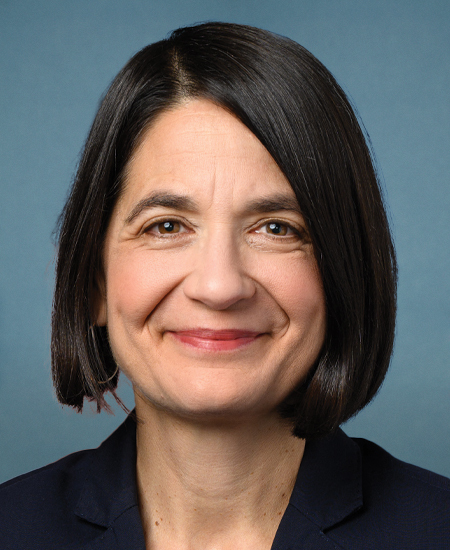
119th Congress Introduced by Becca Balint and 3 co-sponsors

Directs creation of a federal interagency task force to study addictive design features affecting youth mental health and funds HHS grants to support it.

Introduced in House
0
WeVote Research Nonpartisan
Bill Summary · HR 9948

Summary of HR 9948 (119th Congress)

Purpose and intent

  • HR 9948 proposes to direct the President to establish an interagency task force to review and provide recommendations on the impact of addictive design features on youth mental health.
  • It also tasks the Secretary of Health and Human Services (HHS) with establishing grant programs to support the activities of this interagency task force.
  • The bill aims to address how design elements in products or services (likely digital platforms and consumer products) may contribute to adverse mental health outcomes among youth, and to identify policy or programmatic responses.

Key provisions and changes (highlights)

  • Interagency Task Force:
    • Establishment of a federal interagency task force charged with reviewing addictive design features and their effects on youth mental health.
    • The task force would assess current research, identify gaps, and develop recommendations for reducing harms associated with addictive features.
    • Likely composition: multiple federal agencies with relevant authorities (though the bill text would specify membership and leadership; the summary here indicates an interagency approach).
    • Deliverables: a formal set of recommendations to Congress and the President.
  • Grant Programs (HHS):
    • HHS would create grant programs to support the tasks of the interagency group.
    • Grants would fund research, data collection, stakeholder engagement, and potentially pilot interventions or public-awareness activities.
    • Eligible recipients could include universities, non-profit organizations, research institutes, and possibly state or local health agencies (dependent on statutory text).
  • Reporting and timelines:
    • The bill would typically require periodic reporting to Congress on findings, progress, and recommendations.
    • The timeline would outline when the task force must be established and by when initial recommendations are due, followed by subsequent reports.

Who or what is affected

  • Federal agencies:
    • Since the bill creates an interagency task force, multiple agencies with relevant jurisdictions would be involved (e.g., agencies focusing on health, education, consumer protection, technology and communications, and mental health).
  • Health and youth sectors:
    • HHS would administer new grant programs to fund task force activities.
    • Stakeholders likely to be impacted include schools, healthcare providers, researchers, families, and youth directly affected by digital design features and related mental health concerns.
  • Researchers and educational institutions:
    • Potential recipients of grants to support research, evaluation, and dissemination related to addictive design features and youth mental health.

Procedural and timeline aspects

  • Referral:
    • The bill was introduced in the House and referred to the Committee on Energy and Commerce and the Committee on Education and Workforce for consideration.
  • Next steps in Congress:
    • Committee consideration would precede any floor action. The committees would review the scope, funding, and governance of the task force, as well as the grant program parameters.
  • Potential implementation timeline:
    • If enacted, the interagency task force would be established, followed by development of recommendations, and the rollout of HHS grant programs to support the task force’s activities. Specific milestones would be defined in the final bill text and any accompanying committee reports.

Additional context

  • The bill has multiple co-sponsors, signaling bipartisan interest in addressing youth mental health and the potential role of product and platform design in addictive behaviors.
  • The exact scope of “addictive design features” (e.g., features in apps, websites, social media, gaming, advertising) would be defined in the bill or accompanying legislative language, guiding the task force’s analysis.

If you’d like, I can tailor this summary to focus on a particular aspect (e.g., potential funding levels, anticipated stakeholder impacts, or a comparison with existing federal efforts on digital well-being).

Compiled from official sources — confirm details with the bill’s official record.

Sign in to ask a question.