

WeVote

Bill

Bill

HR 5511

Algorithmic Accountability Act of 2025

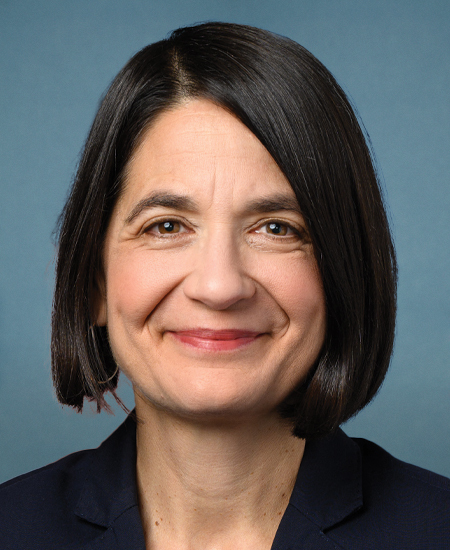
119th Congress Introduced by Becca Balint and 30 co-sponsors

The Algorithmic Accountability Act of 2025 requires organizations to assess, mitigate bias, and disclose algorithm use, protecting consumers from discrimination and ensuring fairness.

Introduced in House
0
WeVote Research Nonpartisan
Bill Summary · HR 5511

Summary of HR 5511: Algorithmic Accountability Act of 2025

Purpose and Intent

The Algorithmic Accountability Act of 2025 aims to enhance transparency and accountability in the use of algorithms and automated decision-making systems. The bill seeks to address concerns regarding bias, discrimination, and lack of oversight in algorithmic processes that impact various sectors, including finance, healthcare, and law enforcement.

Key Provisions

The bill includes several significant provisions designed to regulate and monitor the use of algorithms:

  1. Impact Assessments:

    • Organizations utilizing algorithms must conduct regular assessments to evaluate the potential impacts of their algorithms on individuals and communities, particularly focusing on marginalized groups.
  2. Bias Mitigation:

    • The bill mandates the implementation of measures to identify and mitigate bias in algorithmic systems. This includes the use of diverse data sets and ongoing monitoring to ensure fairness.
  3. Transparency Requirements:

    • Companies must disclose information about the algorithms they use, including their purpose, data sources, and decision-making processes. This aims to provide greater clarity to consumers and stakeholders.
  4. Accountability Mechanisms:

    • Establishes a framework for holding organizations accountable for the outcomes of their algorithms. This includes potential penalties for non-compliance with the provisions of the Act.
  5. Federal Oversight:

    • The bill proposes the creation of a federal oversight body to monitor algorithmic practices and ensure compliance with the new regulations.

Affected Parties

The Algorithmic Accountability Act of 2025 will primarily affect:

  • Businesses and Organizations: Companies that develop or utilize algorithms in their operations will need to adapt their practices to comply with the new requirements.
  • Consumers and Communities: Individuals impacted by algorithmic decisions, particularly those from historically marginalized groups, will benefit from increased protections against bias and discrimination.
  • Regulatory Bodies: Federal and state agencies will be tasked with enforcing the new regulations and conducting oversight.

Procedural Aspects

  • Introduced: The bill was introduced in the House on September 19, 2025.
  • Committee Referral: It has been referred to the House Committee on Energy and Commerce for further consideration.

Conclusion

The Algorithmic Accountability Act of 2025 represents a significant step toward ensuring that algorithmic decision-making is conducted in a fair, transparent, and accountable manner. By imposing requirements for impact assessments, bias mitigation, and transparency, the bill aims to protect consumers and promote equitable outcomes in an increasingly automated world.

Compiled from official sources — confirm details with the bill’s official record.

Sign in to ask a question.