

WeVote

Bill

Bill

HR 9597

To designate the Civil War Defenses of Washington National Historical Park comprised of certain National Park System lands, and by affiliation and cooperative agreements other historically significant resources, located in the District of Columbia, Virginia, and Maryland, that were part of the Civil War defenses of Washington and related to the Shenandoah Valley Campaign of 1864, to study ways in which the Civil War history of both the North and South can be assembled, arrayed, and conveyed for the benefit of the public, and for other purposes.

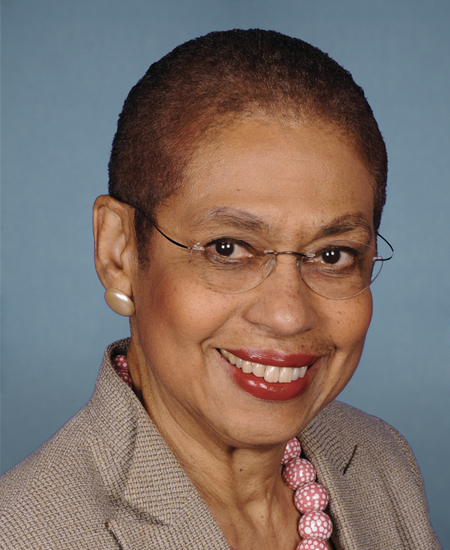
119th Congress Introduced by Eleanor Holmes Norton

Designation of the Civil War Defenses of Washington as a National Historical Park and related study on presenting Civil War history from North and South perspectives.

Sponsor introductory remarks on measure. (CR E653)
0
WeVote Research Nonpartisan
Bill Summary · HR 9597

Summary of HR 9597 (Session 119)

Purpose and intent

  • The bill designates the Civil War Defenses of Washington National Historical Park, including related lands and resources, as a National Historical Park (NHP) within the National Park System.
  • It encompasses lands within the District of Columbia, Virginia, and Maryland that were part of the Civil War defenses of Washington and are connected to the Shenandoah Valley Campaign of 1864.
  • In addition to designation, the bill directs a study to explore ways to assemble, array, and convey Civil War history from both the North and South for public benefit.

Key provisions and changes

  • Designation as National Historical Park (NHP): The Civil War Defenses of Washington NHP would be officially established, expanding protections and federal management to include certain Civil War-era sites and resources in DC, VA, and MD.
  • Affiliation and cooperative resources: The designation includes lands and resources that are affiliated with or cooperatively managed under the National Park System, broadening the scope beyond strictly federal lands.
  • Historical scope: Emphasizes sites connected to the Civil War defenses of Washington, with particular reference to materials related to the Shenandoah Valley Campaign of 1864.
  • Public history study: The bill requires a study examining methods to assemble, present, and interpret Civil War history from both Union (North) and Confederate (South) perspectives for public education and enjoyment.
  • Administrative action: Likely initiation of planning, feasibility, and policy steps associated with establishing the NHP, including potential boundaries, partnerships, and interpretation programs (exact administrative steps would be defined in implementing guidance).

Who or what would be affected

  • National Park System: Adds new National Historical Park status and associated management for the designated Civil War-defenses sites.
  • Federal and partner agencies: May involve cooperation with state and local governments in DC, Maryland, and Virginia, as well as non-profit and private partners under affiliation or cooperative agreements.
  • Public: Visitors and educators who access the new NHP would gain access to preserved sites, interpretive programs, and enhanced public history resources.
  • Historically significant resources: Properties and resources tied to the Civil War defenses of Washington and the Shenandoah Valley Campaign of 1864 would receive federal designation and oversight.

Procedural and timeline aspects

  • Introduced and referred: The bill was introduced on 2026-07-06 and referred to the House Committee on Natural Resources.
  • Sponsors: Primary sponsor with a notable co-sponsor is Eleanor Holmes Norton.
  • Next steps (typical): The committee would review, hold hearings if warranted, and potentially develop a bill with amendments before moving to the full House for a vote. If advanced, the designation would proceed through relevant federal processes, including potential enactment as law and subsequent implementation planning.

Notes

  • The summary reflects the bill’s stated purpose to designate a new National Historical Park and to study public history presentation of Civil War narratives from multiple perspectives.
  • Specific boundary descriptions, funding authorizations, and detailed implementation timelines would be clarified in the bill text and subsequent committee reports.

Compiled from official sources — confirm details with the bill’s official record.

Sign in to ask a question.