

WeVote

Bill

Bill

HR 9194

To clarify the evidentiary treatment of documentation generated under a qualifying process standard for purposes of compliance with the Build America, Buy America Act, and for other purposes.

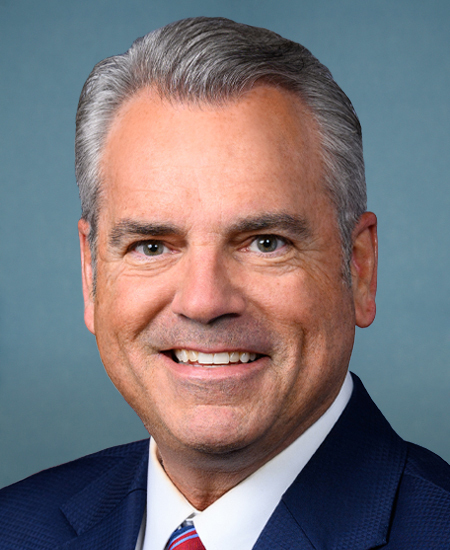
119th Congress Introduced by Mark Alford and 5 co-sponsors

HR 9194 would clarify that documentation produced under a qualifying process standard can serve as valid evidence of BABAA compliance.

Introduced in House
0
WeVote Research Nonpartisan
Bill Summary · HR 9194

Summary of HR 9194 (119th Congress)

Purpose and intent

  • HR 9194 aims to clarify how documentation generated under a qualifying process standard is treated as evidence for purposes of compliance with the Build America, Buy America Act (BABAA) and related requirements.
  • The bill seeks to ensure that records produced through a recognized process standard can be used as valid evidentiary documentation to demonstrate compliance with BABAA, potentially affecting how certifications, audits, and review procedures handle such documents.

Key provisions and changes

  • Clarification of evidentiary treatment: The bill specifies how documentation created under a qualifying process standard should be treated in proving BABAA compliance. It addresses what constitutes acceptable evidence and how such documents may be used in regulatory or enforcement proceedings.
  • Scope related to BABAA: The measure ties the evidentiary treatment directly to compliance with BABAA, potentially aligning documentation standards with federal procurement rules on domestic content and related Buy America requirements.
  • Process standard reference: It references a qualifying process standard, indicating that certain standardized procedures or frameworks (to be defined or recognized) can generate documentation that meets the bill’s evidentiary criteria.

Affected parties and entities

  • Federal procurement and compliance programs: Agencies implementing BABAA will have clearer guidance on accepting and evaluating process-standard documentation as evidence of compliance.
  • Contractors and suppliers: Firms involved in BABAA-compliant projects may rely on standardized documentation to demonstrate compliance, potentially reducing ambiguity in audits and certifications.
  • Regulatory and oversight bodies: Inspectors, auditors, and court or agency reviewers will have a defined evidentiary basis for accepting process-standard documentation.

Procedural and timeline aspects

  • Introduction and referral: HR 9194 was introduced in the House and referred to the Committee on Financial Services on June 8, 2026.
  • Legislative process: As a committee-referred bill, it will undergo committee consideration, potential amendments, and, if advanced, floor action. Timeline depends on committee activity and House proceedings.

Notable details

  • Co-sponsors: The bill has bipartisan and cross-party sponsorship support, including Chuck Edwards, Tracey Mann, Lou Correa, Johnny Olszewski, Mark Alford, and Brad Finstad.
  • Status: At the time of this summary, the bill is in the early stages of the legislative process, with introduction and committee referral completed.

Potential implications

  • Clarity and efficiency: By defining evidentiary treatment, the bill could reduce disputes over whether process-standard documents meet BABAA evidence requirements.
  • Compliance consistency: A standardized evidentiary framework may promote uniform compliance practices across agencies and contractors.
  • Administrative impact: Agencies may need to update guidance and training materials to reflect the clarified evidentiary standard.

If you’d like, I can add comparative context with current BABAA evidentiary rules or monitor for committee actions and amendments as the bill progresses.

Compiled from official sources — confirm details with the bill’s official record.

Sign in to ask a question.