

WeVote

Bill

Bill

HR 6196

Locally Led Development and Humanitarian Response Act

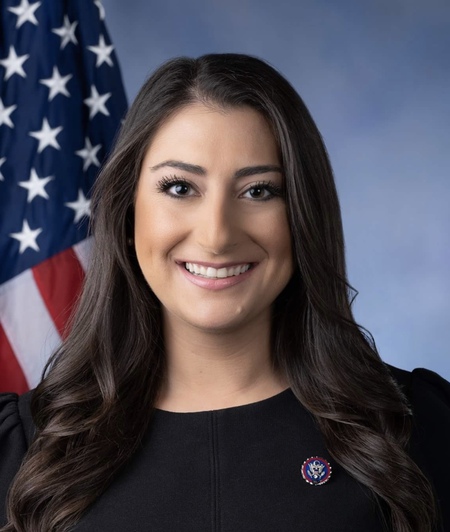
119th Congress Introduced by Sara Jacobs and 1 co-sponsor

HR 6196 shifts U.S. foreign aid implementation to local organizations in developing countries while maintaining federal oversight of humanitarian and development programs.

Introduced in House
0
WeVote Research Nonpartisan
Bill Summary · HR 6196

Legislative bill overview

HR 6196 empowers local organizations and communities in developing countries to lead their own development and humanitarian response efforts, rather than relying primarily on U.S. federal agencies or large international organizations. The bill prioritizes grassroots implementation while maintaining U.S. oversight and coordination of foreign assistance programs.

Why is this important

Local leadership in development work can improve program effectiveness by leveraging community knowledge, cultural understanding, and existing trust networks. This approach may also reduce costs, increase sustainability, and strengthen democratic participation in aid-receiving countries—though it requires careful coordination to ensure quality standards and accountability.

Potential points of contention

  • Implementation capacity: Whether local organizations in fragile or low-capacity regions have sufficient administrative infrastructure, financial management systems, and technical expertise to manage large-scale programs effectively
  • Accountability and oversight: Balancing local autonomy with U.S. government responsibility to ensure taxpayer funds are used appropriately and achieving intended outcomes
  • Coordination complexity: Managing multiple local actors rather than centralized programs could create inefficiencies, duplication, or gaps in coverage across regions
  • Sustainability concerns: Questions about whether locally-led initiatives can maintain funding and operations once U.S. support decreases

Compiled from official sources — confirm details with the bill’s official record.

Sign in to ask a question.