

WeVote

Bill

Bill

HR 9743

TRUTH in Coverage Act of 2026

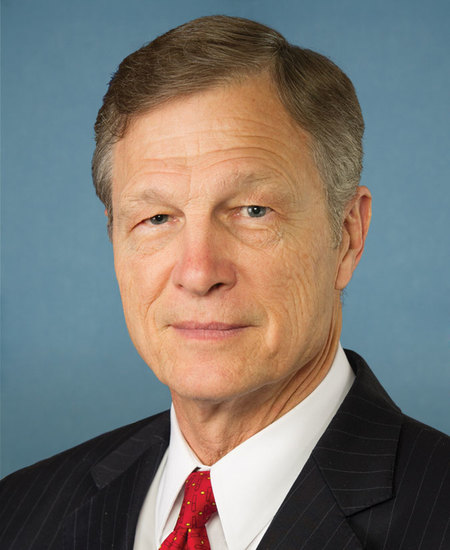
119th Congress Introduced by Brian Babin and 10 co-sponsors

The bill would require health plans that cover sex-rejecting procedures to also cover restorative and corrective services to address harms and restore function.

Introduced in House
0
WeVote Research Nonpartisan
Bill Summary · HR 9743

Summary of HR 9743 (119th Congress)

Overall purpose

HR 9743 seeks to amend multiple federal law frameworks to require health plans and health insurance issuers that cover sex-rejecting procedures to also provide benefits for items and services intended to address harms caused by those procedures and to restore healthy form and functioning to the greatest extent practicable. In effect, it aims to create a benefit parity or corrective-services mandate to counter the effects of sex-rejecting procedures (commonly framed in policy discussions as procedures associated with gender transition).

Key provisions and changes proposed

  • Scope of coverage expansion: Requires group health plans and health insurance issuers that offer coverage for sex-rejecting procedures to include benefits for restorative and corrective services. These services are meant to address harms from sex-rejecting procedures and to restore healthy anatomical form and function to the greatest extent practicable.
  • Legal framework referenced: The bill would amend:
    • Title XXVII of the Public Health Service Act
    • The Employee Retirement Income Security Act of 1974 (ERISA)
    • The Internal Revenue Code of 1986 to make the restorative services mandatorily available within coverage that already includes sex-rejecting procedures.
  • Purpose of restorative benefits: While specifics are not detailed in the provided summary, the intent is to ensure coverage for items and services that mitigate adverse physical or functional effects purportedly caused by sex-rejecting procedures, aligning with a corrective/rehabilitative health services objective.

Who is affected

  • Plan sponsors and administrators of group health plans and health insurance issuers offering group or individual coverage that currently covers sex-rejecting procedures.
  • Policyholders and enrollees who receive or may receive sex-rejecting procedures and, under the bill, would become eligible for restorative/rehabilitative benefits related to those procedures.
  • The changes would apply to plans governed by the laws amended (PHSA, ERISA, and the IRC), affecting how benefits are structured for relevant enrollees.

Procedural and timeline aspects

  • Introduced and referred (July 16, 2026): The bill was introduced in the House and referred to the Committee on Energy and Commerce, with parallel referrals to the committees on Education and Workforce, and Ways and Means, for jurisdictional considerations.
  • The bill’s progress will depend on committee action, potential amendments, and subsequent floor consideration in the House, followed by potential actions in the Senate.
  • No specific effective date or phase-in timeline is provided in the summary excerpt; the bill would typically specify effective dates for compliance if enacted.

Notable context

  • The bill aligns with ongoing policy debates around coverage for gender-affirming or sex-rejecting procedures and any associated restorative or corrective services.
  • Sponsor list includes multiple House members (co-sponsors) from the Republican caucus, indicating its bipartisan reception may vary and subject to committee discussions and broader legislative dynamics.

Key takeaway

HR 9743 proposes to expand health plan benefits for coverage of restorative and corrective services addressing harms from sex-rejecting procedures, by amending major federal health and tax laws to require such benefits to the greatest extent practicable. The proposal broadens the scope of mandated benefits for plans that cover sex-rejecting procedures and seeks to ensure access to accompanying restorative care.

Compiled from official sources — confirm details with the bill’s official record.

Sign in to ask a question.