

WeVote

Bill

Bill

HR 4364

Secret Service Recording Accountability Act of 2025

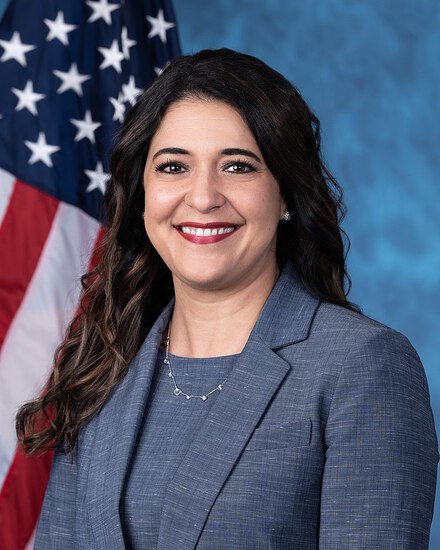
119th Congress Introduced by Stephanie Bice and 1 co-sponsor

Summary of HR 4364: Secret Service Recording Accountability Act of 2025 OverviewThe Secret Service Recording Accountability Act of 2025 is a bill introduced in the U.S. House of Re

Introduced in House
0
WeVote Research Nonpartisan
Bill Summary · HR 4364

Summary of HR 4364: Secret Service Recording Accountability Act of 2025

Overview

The Secret Service Recording Accountability Act of 2025 is a bill introduced in the U.S. House of Representatives that aims to increase transparency and oversight of the U.S. Secret Service's use of audio and video recording devices.

Key Provisions

The main components of the bill include:

  1. Mandatory Recording and Retention: The bill would require the Secret Service to equip all agents and officers with body-worn cameras and mandate the recording of all interactions with the public. The recordings would need to be retained for a minimum of 5 years.

  2. Public Access and Review: The bill would allow members of the public to request and access the recordings, with exceptions for sensitive national security or investigative information. A process for reviewing and redacting recordings prior to release would be established.

  3. Independent Oversight: The bill would create an independent oversight board to monitor the Secret Service's compliance with the recording and disclosure requirements. The board would have the authority to conduct audits and investigations.

  4. Training and Enforcement: The bill would mandate training for all Secret Service personnel on the proper use and handling of the recording devices. Penalties would be established for non-compliance, including potential suspension or termination of agents.

Potential Impact

If enacted, this legislation could have several key impacts:

  • Increased transparency and accountability for the Secret Service's interactions with the public
  • Greater public trust and confidence in the Secret Service through the ability to review recordings
  • Improved agent behavior and adherence to protocols through the awareness of constant recording
  • Potential challenges in balancing public access with legitimate national security and investigative concerns

Conclusion

The Secret Service Recording Accountability Act of 2025 represents an effort to enhance oversight and public trust in the activities of the U.S. Secret Service through mandatory recording and disclosure requirements. The bill's success would depend on balancing transparency goals with legitimate security and investigative needs.

Compiled from official sources — confirm details with the bill’s official record.

Sign in to ask a question.