

WeVote

Bill

Bill

HR 9879

To amend the Statutory Pay-As-You-Go Act of 2010 to strengthen and enhance budgetary savings by providing for super PAYGO reductions, and for other purposes.

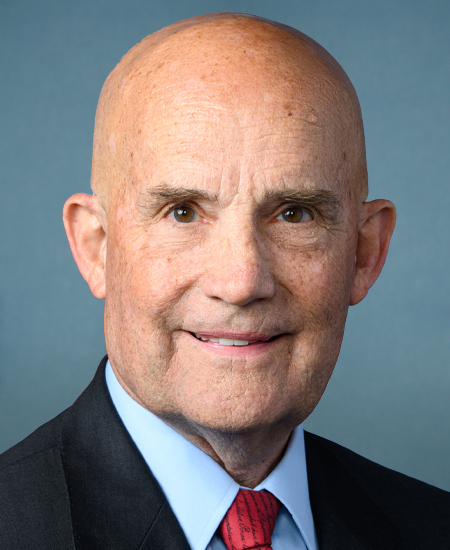
119th Congress Introduced by Keith Self

The bill tightens PAYGO rules by creating stronger, faster “super PAYGO” reductions to boost automatic budget savings from new legislation.

Introduced in House
0
WeVote Research Nonpartisan
Bill Summary · HR 9879

Overview

  • Bill: HR 9879
  • Session: 119
  • Jurisdiction: United States
  • Title: To amend the Statutory Pay-As-You-Go Act of 2010 to strengthen and enhance budgetary savings by providing for super PAYGO reductions, and for other purposes.
  • Introduced: July 22, 2026
  • Primary sponsor: (Co-sponsor) Keith Self
  • Current action: Referred to the House Committee on the Budget and, in addition, to the Committee on Rules (for consideration of provisions within jurisdiction), with the referral date noted as July 22, 2026.

Purpose and intent

  • The bill seeks to amend the Statutory Pay-As-You-Go Act of 2010 (PAYGO) to strengthen and broaden budgetary savings.
  • Specifically aims to establish a mechanism described as “super PAYGO” reductions, presumably enhancing or accelerating PAYGO-driven deficits reduction or constraints beyond standard PAYGO requirements.
  • The overall objective appears to be to enforce tighter budgetary discipline and increase mandatory savings over the forecast horizon.

Key provisions and changes (as stated in title and summary)

  • Amend the Statutory PAYGO Act of 2010: -Introduce or expand a framework for enhanced PAYGO reductions (referred to as “super PAYGO” reductions). -These changes would modify how new legislation is assessed for its impact on the federal deficit and the required automatic or programmatic savings measures.
  • The exact mechanics (percentages, trigger points, or enforcement methods) are not detailed in the provided summary, but the language implies: -Stronger or faster savings requirements when laws affect revenues or obligations. -Potentially broader categories of legislative actions subject to PAYGO accounting.
  • Possible alignment with broader budgetary control targets, reinforcing discipline on spending and revenue changes.

Who and what would be affected

  • Federal budget and fiscal planning processes: -Congress and the Budget Committees, since the bill directly amends PAYGO rules.
  • Legislation considered by Congress: -Any new laws that have revenue or mandatory spending implications would be subject to the enhanced PAYGO rules.
  • Federal agencies and programs:
    • If enacted, agencies could be required to accommodate super PAYGO reductions in the formulation and enactment of new programs or policy changes.
  • Budgetary outcomes:
    • The goal is to produce greater or more rapid budgetary savings, influencing deficits, debt levels, and long-term fiscal projections.

Procedural and timeline aspects

  • Referrals:
    • Referred to the Committee on the Budget.
    • Also referred to the Committee on Rules for consideration of provisions within its jurisdiction.
  • Timeline:
    • Introduction date: July 22, 2026.
    • No further actions (e.g., hearings, markups, votes) are listed in the provided history; future steps would follow standard House procedures for budget-related bills.
  • Next potential steps:
    • Committee hearings and amendments by the Budget Committee and/or Rules Committee.
    • Movement to floor consideration and potential passage or negotiation.

Potential impact and considerations

  • Fiscal discipline: By tightening PAYGO rules, the bill could constrain the net cost of new legislation, potentially leading to offsetting savings or revenue measures to maintain deficit targets.
  • Legislative trade-offs: Policymakers might trade off enactment of certain programs or tax provisions against required PAYGO offsets.
  • Economic and policy implications: Depending on the stringency of the “super PAYGO” reductions, there could be impacts on the timing and size of new federal initiatives, tax policy, and mandatory spending changes.

Note: The summary is based on the bill’s title and the limited action history provided. The full text would detail the exact numerical targets, definitions (e.g., what constitutes “super PAYGO” reductions), and procedural rules.

Compiled from official sources — confirm details with the bill’s official record.

Sign in to ask a question.