

WeVote

Bill

Bill

HR 8484

Hazard Pay for Health Care Heroes Act

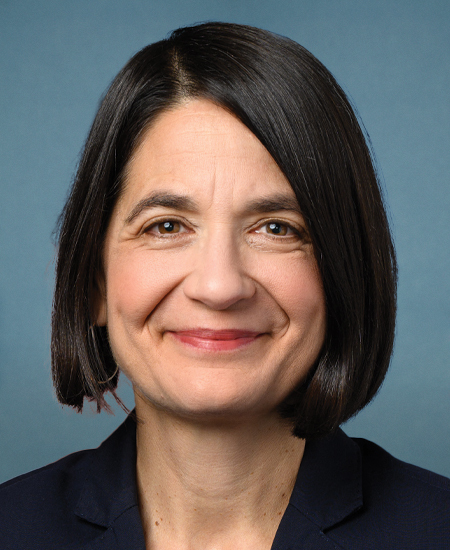
119th Congress Introduced by Becca Balint and 21 co-sponsors

The bill authorizes emergency grant programs under the Public Health Service Act to protect, retain, and support essential health care workers during emergencies.

Introduced in House
0
WeVote Research Nonpartisan
Bill Summary · HR 8484

Summary: HR 8484 (119th Congress) — To amend the Public Health Service Act to provide for emergency grants to safeguard essential health care workers, and for other purposes

Purpose and intent

  • The bill seeks to strengthen the health care system by creating emergency grant programs under the Public Health Service Act.
  • Specifically aimed at safeguarding essential health care workers during emergencies, crises, or events that strain health care capacity (e.g., public health emergencies, disasters, or shortages).
  • The overarching goal is to support and protect workers who are critical to delivering health care services, thereby improving resilience and continuity of care during emergencies.

Key provisions and changes (as introduced)

  • Amendments to the Public Health Service Act to authorize and establish emergency grant programs.
  • Purpose of grants: to fund measures that protect, compensate, retain, or support essential health care workers, and to address workforce shortages during emergencies.
  • Likely focus areas (typical features of such grants, though exact text not provided here):
    • Financial assistance to health care employers or facilities to retain or recruit essential staff.
    • Funding for safety measures, training, hazard pay, child care, mental health support, or other worker support services.
    • Provisions to streamline application, review, and disbursement processes during emergencies.
    • Reporting and accountability requirements to ensure funds are used to bolster essential health care workforces.
  • The bill may authorize funding amounts, duration, and eligibility criteria, consistent with emergency grant programs under the Public Health Service Act.

Who would be affected

  • Primary recipients: health care facilities, clinics, hospitals, and other entities employing essential health care workers.
  • Beneficiaries: essential health care workers themselves (e.g., doctors, nurses, quality and safety staff, and other frontline personnel) who would gain access to enhanced protections, incentives, or resources funded by the grants.
  • Federal agencies: likely the U.S. Department of Health and Human Services (HHS) or specific components within HHS responsible for administering grants and oversight.

Procedural and timeline aspects

  • Introduction and referral: Introduced in the House on 2026-04-23.
  • Action: Referred to the House Committee on Energy and Commerce (as of the latest action history).
  • Next steps (typical): Committee consideration, possible amendments, and reporting to the House floor for debate and vote; potential Senate consideration and presidential action if passed.
  • Effective date and funding: Final provisions (e.g., implementation timelines, funding authorization, and termination dates) would be specified in the bill text or accompanying appropriations, including any sunset or renewal provisions.

Additional context

  • Co-sponsors include a broad group of House members, indicating bipartisan or cross-ideological interest in workforce protection for health care workers and emergency preparedness.
  • The bill title emphasizes “emergency grants” and “safeguard essential health care workers,” signaling a focus on rapid, targeted support during crises.

If you’d like, I can tailor this summary to a specific audience (e.g., policymakers, health system administrators, or advocacy groups) or add a comparative note with similar prior legislation for context.

Compiled from official sources — confirm details with the bill’s official record.

Sign in to ask a question.