Summary of HR 8869 (119th Congress)
Purpose and intent
- HR 8869 would amend the Public Health Service Act (42 U.S.C. 201 et seq.) to authorize research into the impacts of traumatic birth experiences and post-traumatic stress disorder (PTSD) on mothers, infants, and families.
- The overarching goal is to expand federal research efforts to understand how traumatic birth events affect mental and physical health outcomes across the family unit, with the aim of informing public health interventions and policies.
Key provisions and changes
- Authorization of Research: The bill directs the Secretary of Health and Human Services (through the Public Health Service Act framework) to conduct, support, or coordinate studies examining:
- Traumatic birth experiences (events surrounding labor and delivery that may be psychologically distressing).
- Post-traumatic stress disorder related to childbirth.
- Impacts on mothers, infants, and other family members (e.g., partners, caregivers).
- Scope of Research: Likely to encompass epidemiological studies, prospective and retrospective cohort research, assessments of prevalence and risk factors, health outcomes (behavioral, emotional, physical), long-term development outcomes for infants, and family dynamics.
- Dissemination and Translation: Provisions may include dissemination of findings to healthcare providers, policymakers, and the public to inform clinical guidelines, screening, prevention strategies, and support services.
- Interagency Collaboration: Potential coordination with agencies within HHS (e.g., NIH, CDC, AHRQ) to leverage existing maternal-child health research infrastructure.
- Reporting and Evaluation: Requirements for reporting findings to Congress or maintaining a mechanism to evaluate the effectiveness of funded research programs.
Who would be affected
- Primary: Researchers and institutions conducting maternal-child health, perinatal epidemiology, psychology, and public health research, who would engage in or receive support for studies on traumatic birth and childbirth-related PTSD.
- Beneficiaries: Mothers, infants, and families who could benefit from improved understanding, screening, prevention, and intervention strategies informed by the research.
- Healthcare providers and systems: May gain evidence-based guidelines and tools to screen for birth-related trauma and PTSD, and to connect patients with appropriate services.
- Federal research and public health entities: Given the authorization, federal agencies involved in maternal and child health research would implement or oversee funded activities.
Procedural and timeline aspects
- Introduction and Referral: The bill was introduced in the House and referred on May 15, 2026, to the House Committee on Energy and Commerce.
- Action Status: As of the current record, the bill has only been referred to a committee and has not advanced to passage or additional committee actions.
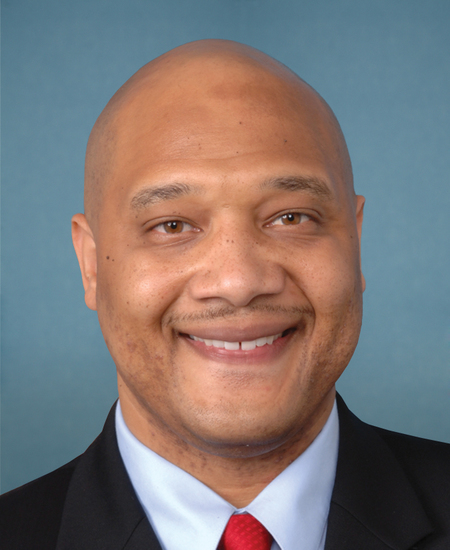
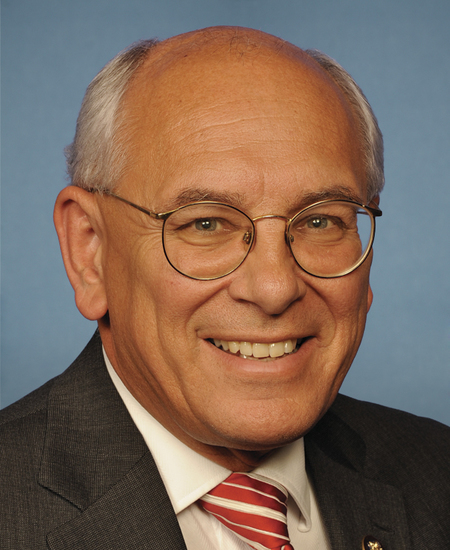
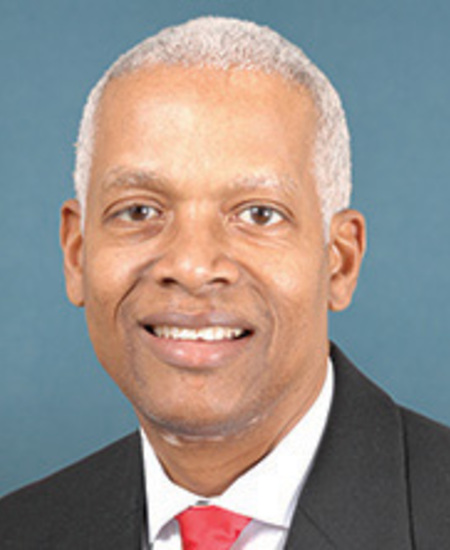
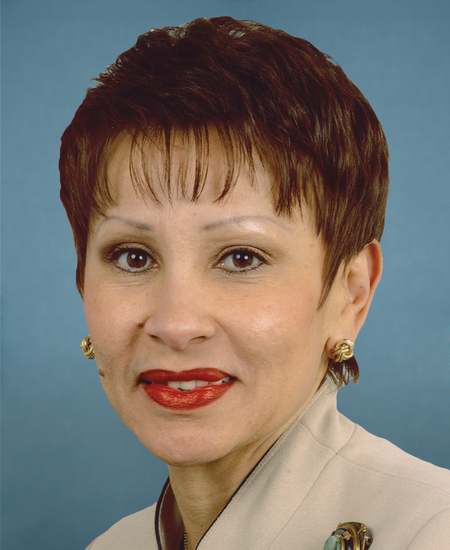
- Sponsors: The bill has multiple co-sponsors, including LaMonica McIver, Paul Tonko, Hank Johnson, Nydia Velázquez, Deborah Ross, André Carson, and Bonnie Watson Coleman, signaling broad bipartisan and/or caucus support.
Potential impact and considerations
- Public Health Impact: By clarifying and expanding federal support for research on birth-related trauma and PTSD, the bill could improve understanding of prevalence, risk factors, and outcomes, potentially leading to better screening practices and targeted interventions for at-risk families.
- Policy Implications: Findings could inform guidelines for obstetric care, postnatal support services, mental health screening during and after pregnancy, and resource allocation for maternal mental health programs.
- Research Landscape: May foster interdisciplinary research across obstetrics, psychology, pediatrics, and social determinants of health, leveraging existing federal research infrastructure.
Note: Details reflect the bill’s described purpose and the typical framework for Public Health Service Act research authorizations. Specific statutory text, funding levels, and operational details would be clarified in the bill’s full text and any accompanying committee reports.




Start the Conversation
Be the first to share your thoughts on this petition. Your voice matters!