

WeVote

Bill

Bill

HR 8443

End H–1B Visa Abuse Act of 2026

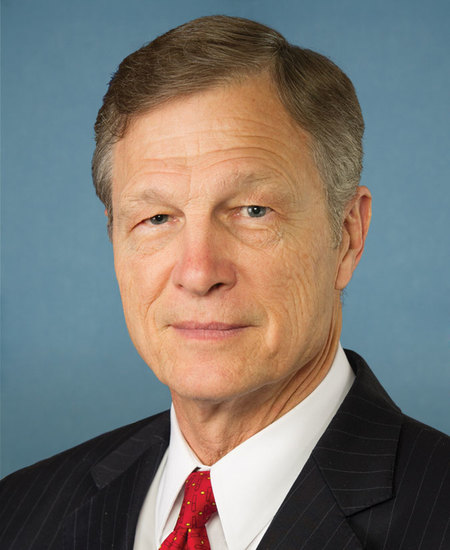
119th Congress Introduced by Brian Babin and 11 co-sponsors

The bill would pause new H-1B visa issuances until defined limitations on H-1B issuance are implemented.

Introduced in House
0
WeVote Research Nonpartisan
Bill Summary · HR 8443

Summary of HR 8443 (119th Congress)

Title

To amend the Immigration and Nationality Act to provide for a pause on the issuance of H-1B visas until certain limitations on the issuance thereof are implemented.

Purpose and Intent

  • The bill seeks to pause or pause-action the issuance of H-1B visas until specified limitations on H-1B issuance are put in place.
  • The stated aim appears to be to create a temporary moratorium or constraint on new H-1B admissions while the congressionally defined limitations are otherwise implemented or established.

Key Provisions (highlights)

  • Amendments to the Immigration and Nationality Act (INA): The bill would modify INA provisions related to H-1B visa issuance.
  • Pause on H-1B issuance: Establishes a temporary halt or pause on new H-1B visa issuances. The exact mechanism (e.g., a temporary suspension period, conditional suspension tied to the presence of limitations, or a go/no-go decision by an administrator) is not detailed in the summary provided, but the core intent is a pause until the defined limitations are implemented.
  • Implementation of limitations: Requires the adoption or enforcement of defined limitations on H-1B issuance before H-1B visas can be issued again. The bill would set the conditions under which issuance can resume, likely tied to regulatory or statutory changes.
  • Administrative/Regulatory actions: Potentially grants authority or prescribes timelines for federal agencies (e.g., Department of Homeland Security and the Department of Labor) to implement the limitations or to enforce the pause.

Who is Affected

  • Employers seeking to hire nonimmigrant workers on H-1B visas (notably U.S. technology, research, and other professional sectors that commonly utilize H-1B workers).
  • Prospective H-1B beneficiaries (foreign workers) who would be delayed from obtaining H-1B status during the pause.
  • U.S. employers and industries that rely on H-1B visas for specialized occupations.
  • Agencies responsible for visa processing and regulation (e.g., U.S. Citizenship and Immigration Services, U.S. Department of Labor, and related oversight bodies).

Procedural and Timeline Aspects

  • Introduction and Referral: Introduced in the House and referred to the House Judiciary Committee (April 22, 2026).
  • Sponsors: Multiple co-sponsors, signaling bipartisan or broad interest among certain members. Notable co-sponsors include Chad/Chip Roy, Tom McClintock, Brandon Gill, and others.
  • Timetable: The bill’s progression would depend on committee action, potential markup, and floor consideration. The provided action history ends with referral to the Judiciary Committee, with no further over-session date listed.
  • Potential implementation details: The bill would specify when the pause would take effect, its duration, and the criteria for resuming H-1B issuance once the defined limitations are implemented.

Additional Considerations

  • The bill’s impact would hinge on the precise language defining “pause,” the exact limitations to be implemented, and how the limitations interact with existing H-1B cap systems, wage requirements, labor condition applications, and exemptions (if any).
  • Economic and labor market effects could be significant for sectors relying on highly skilled foreign workers, potentially altering talent pipelines, project timelines, and wage dynamics.
  • Legal and regulatory considerations: The bill would modify INA provisions, potentially implicating regulatory rulemaking and guidance in addition to statutory changes.

If you’d like, I can tailor this summary to a particular audience (e.g., policymakers, business practitioners, or general public) or add a section comparing HR 8443 to current H-1B policies.

Compiled from official sources — confirm details with the bill’s official record.

Sign in to ask a question.