

WeVote

Bill

Bill

SB 431

TO AMEND THE HUMAN TRAFFICKING ACT OF 2013; TO ELIMINATE THE STATUTE OF LIMITATIONS FOR CERTAIN OFFENSES; TO CREATE SAFE HARBORS FOR VICTIMS; AND TO PROHIBIT CERTAIN SEXUALLY EXPLICIT PRODUCTS THAT RESEMBLE A CHILD.

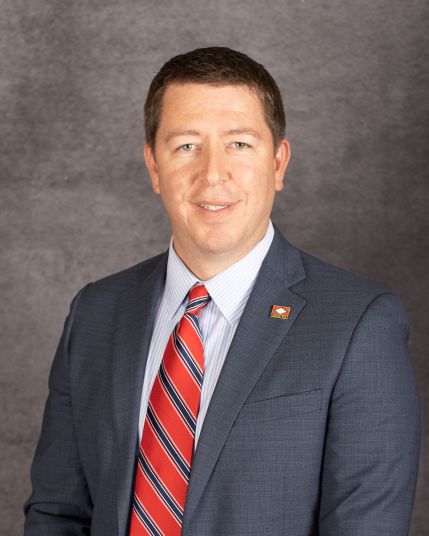
2025 Regular Session Introduced by Josh Bryant and 2 co-sponsors

Arkansas law now eliminates prosecution time limits for trafficking offenses, shields trafficking victims from certain criminal liability, and bans child-like sexual materials.

Notification that SB431 is now Act 987
0
WeVote Research Nonpartisan
Bill Summary · SB 431

Legislative bill overview

SB 431 amends Arkansas's Human Trafficking Act by removing statutes of limitations for certain trafficking offenses, establishing legal protections for trafficking victims, and banning the production and sale of child-like sexually explicit materials. The bill has passed both chambers and been signed into law as Act 987.

Why is this important

Eliminating statutes of limitations allows prosecution of trafficking cases regardless of when they occurred, potentially enabling justice for long-term victims who delay reporting due to trauma or coercion. The safe harbor provisions may reduce criminal penalties for trafficking victims, addressing the reality that survivors often engage in illegal activity under duress.

Potential points of contention

  • Statute of limitations removal: While intended to help victims, eliminating time limits for prosecution raises due process concerns about defendants' ability to mount adequate defense when evidence degrades over decades
  • Safe harbor scope: The specifics of what conduct qualifies for victim protections remain unclear from the bill title alone—too broad could limit accountability, too narrow could exclude vulnerable populations
  • Child-like materials provision: Defining what "resembles a child" in sexual materials involves subjective judgment calls that could lead to inconsistent enforcement or First Amendment challenges

Compiled from official sources — confirm details with the bill’s official record.

Sign in to ask a question.