

WeVote

Bill

Bill

HR 8256

Senior Hunger Prevention Act of 2026

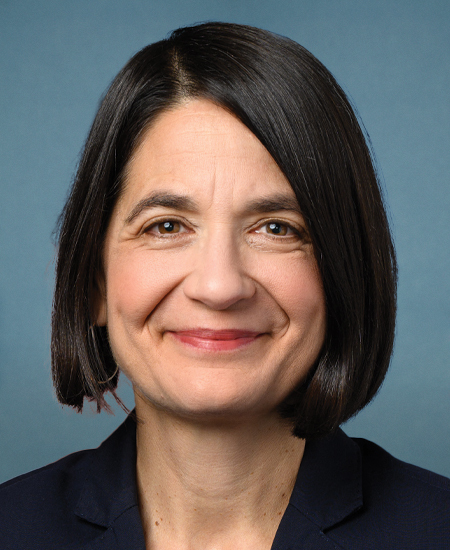
119th Congress Introduced by Becca Balint and 20 co-sponsors

The bill would streamline eligibility and enrollment processes in federal nutrition programs to improve access for older adults and adults with disabilities.

Introduced in House
0
WeVote Research Nonpartisan
Bill Summary · HR 8256

Summary of HR 8256 (Session 119)

Title

To amend the Food and Nutrition Act of 2008 to streamline nutrition access for older adults and adults with disabilities, and for other purposes.

Purpose and Intent

  • The bill aims to modify federal nutrition programs to improve and streamline access to nutrition assistance for two priority groups: older adults and adults with disabilities.
  • It seeks to simplify administrative processes, reduce barriers to participation, and potentially align program rules with the needs of these populations.

Key Provisions (Overview)

Note: The precise text of HR 8256 is not provided here, so the summary below reflects typical areas such bills address based on its title and aim. The bill is described as amending the Food and Nutrition Act of 2008 to streamline nutrition access.

  1. Administrative Streamlining

    • Simplify application and eligibility determination processes for nutrition assistance.
    • Reduce duplicative paperwork and streamline enrollment or re-certification procedures.
    • Potentially harmonize state and federal requirements to expedite benefits.
  2. Eligibility and Benefit Access for Older Adults

    • Adjust criteria or processes to improve access for seniors, who may face barriers such as fixed incomes, mobility challenges, or limited digital access.
    • Possible enhancements to outreach, case management, or eligibility verification for older adults.
  3. Eligibility and Benefit Access for Adults with Disabilities

    • Address barriers specific to individuals with disabilities (e.g., accommodation of disability-related needs, outreach, and simplified recertification).
    • Potentially tailor program communications and interfaces to be more accessible (e.g., accommodating varying disability types).
  4. Program Integrity and Oversight

    • Maintain safeguards to prevent fraud, waste, and abuse while improving user experience.
    • Clarify roles and responsibilities of federal agencies and state agencies administering the program.
  5. Coordination with Other Programs

    • Improve coordination with related nutrition or assistance programs, health services, or social supports to reduce fragmentation.
    • Align timelines or reporting requirements to avoid duplicative or conflicting processes.
  6. Funding and Implementation

    • Provisions related to funding to support the streamlined processes, technical assistance, or outreach efforts.
    • Potential phased implementation or pilot components in select jurisdictions.

Who Would Be Affected

  • Primary Beneficiaries: Older adults and adults with disabilities who participate in federal nutrition programs under the Food and Nutrition Act of 2008 (e.g., adjustments may pertain to SNAP or related nutrition assistance programs).
  • State and Local Agencies: Agencies administering nutrition programs would implement streamlined processes and reporting requirements.
  • Program Applicants and Recipients: Individuals seeking or receiving benefits could experience changes in application steps, eligibility determination timelines, and benefit access.

Procedural and Timeline Aspects

  • Introductory Action: Introduced in the House and referred to the Committee on Agriculture (April 14, 2026).
  • Sponsor Network: The bill has a broad set of co-sponsors, indicating bipartisan and bicameral interest in streamlining nutrition access (note: only House co-sponsors are listed here).
  • Next Steps: Committee consideration, potential amendments, and floor action would follow if the committee reports the bill favorably.

Potential Impacts and Considerations

  • Access: If enacted, the bill could reduce enrollment barriers and speed up benefit delivery for older adults and people with disabilities.
  • Equity and Accessibility: Improvements in outreach and process accessibility may enhance participation among populations that face unique challenges.
  • Administration: Could require state agencies to update systems, train staff, and adjust to new rules, with associated costs and technical needs.
  • Oversight: Maintains program integrity while aiming to improve user experience.

If you would like, I can tailor this summary to include specific text from the bill or compare it to current law (the Food and Nutrition Act of 2008) to highlight exact changes once the bill’s text is available.

Compiled from official sources — confirm details with the bill’s official record.

Sign in to ask a question.