

WeVote

Bill

Bill

HR 9337

Hydropower Licensing Affordability Act

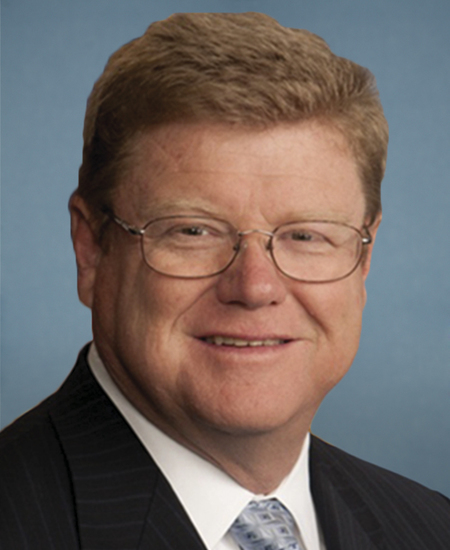
119th Congress Introduced by Mark Amodei and 12 co-sponsors

The bill would modernize and streamline federal hydropower licensing under the Federal Power Act to improve efficiency, timing, and interagency coordination while maintaining safeg

Introduced in House
0
WeVote Research Nonpartisan
Bill Summary · HR 9337

Overview

HR 9337, introduced in the 119th Congress and referred to the House Committee on Energy and Commerce, seeks to amend the Federal Power Act to modernize the hydropower licensing process and make related reforms. The bill has multiple bipartisan cosponsors.

Main purpose and intent

  • Modernize the oversight and timeliness of the hydropower licensing process administered under the Federal Power Act.
  • Streamline processes to potentially accelerate licensing, project development, and related permitting while maintaining regulatory guardrails.
  • Address updates likely aimed at balancing hydroelectric development with environmental, cultural, or ecological considerations, though specific policy details would be in the text of the bill.

Key provisions and changes (high-level, based on typical modernization efforts)

  • Revisions to licensing procedures for hydropower projects to improve efficiency and predictability.
  • Potential adjustments to timing requirements, comment periods, and decision timelines for license issuance, relicensing, or major license amendments.
  • Provisions related to coordination among federal agencies (e.g., FERC and other relevant agencies) to reduce delays and incorporate interagency input.
  • Possible modernization of mitigation, flow, and environmental review standards to reflect current technologies and best practices.
  • Clarifications of authority and responsibilities among federal entities in the licensing process.
  • Provisions related to cost recovery, feasibility studies, or prioritization criteria for certain projects (e.g., small hydropower, modernization, pumped storage, or efficiency improvements).
  • Potential implementation mechanics, such as performance milestones, reporting requirements, or sunset provisions.

Note: The exact text would specify precise statutory changes, including any numerical deadlines, definitions, and procedural steps.

Who would be affected

  • Hydroelectric project developers seeking new licenses, relicensing, or major amendments.
  • Existing hydroelectric facilities undergoing relicensing or operational adjustments.
  • Federal energy regulatory processes and agencies involved in hydro licensing (e.g., Federal Energy Regulatory Commission and cooperating agencies).
  • Local communities, tribes, and environmental stakeholders affected by licensing decisions through impacts on water resources, ecosystems, recreation, and cultural sites.
  • States and local permit authorities interacting with federal licensing timelines and requirements.

Procedural and timeline aspects

  • The bill has been introduced and referred to the House Committee on Energy and Commerce as of June 18, 2026.
  • If advanced, it would move through committee markups, potential amendments, and, if approved, to the full House floor for debate and passage.
  • The exact procedural path, scheduling, and any sunset or review provisions would be defined in the bill’s text and any accompanying committee reports.
  • Any fiscal implications (budget authority, authorization levels, or impact on federal agency workloads) would be outlined in the bill’s sections and accompanying cost estimates.

Additional notes

  • The bill’s title indicates a focus on modernization; the specific mechanisms (e.g., target timelines, interagency coordination frameworks, or performance metrics) would be detailed in the legislative text.
  • Cosponsors include a diverse group of representatives, suggesting broad interest in hydropower modernization and streamlined regulatory processes.

For a precise understanding, a close reading of the full text is recommended to identify exact statutory amendments, numerical targets, regulatory standards, and any accompanying fiscal and environmental considerations.

Compiled from official sources — confirm details with the bill’s official record.

Sign in to ask a question.