

WeVote

Bill

Bill

HR 9257

To amend the Employee Retirement Income Security Act of 1974, title XXVII of the Public Health Service Act, and the Internal Revenue Code of 1986 to require group health plans and health insurance issuers offering group or individual health insurance coverage to provide for 3 primary care visits and 3 behavioral health care visits without application of any cost-sharing requirement.

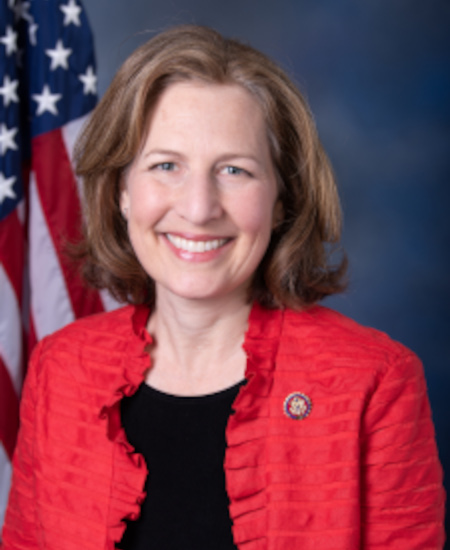
119th Congress Introduced by Kim Schrier and 1 co-sponsor

Requires group plans to cover 3 primary care and 3 behavioral health visits per year with no cost-sharing.

Introduced in House
0
WeVote Research Nonpartisan
Bill Summary · HR 9257

Overview

HR 9257, introduced in the 119th Congress, would require group health plans and health insurance issuers offering group or individual health coverage to provide for 3 primary care visits and 3 behavioral health care visits without any cost-sharing. The bill amends the Employee Retirement Income Security Act of 1974 (ERISA), title XXVII of the Public Health Service Act, and the Internal Revenue Code of 1986 to implement these coverage protections.

Purpose and intent

  • Expand access to preventive and essential care by eliminating cost-sharing (e.g., copayments, coinsurance, deductibles) for a specified number of visits in two high-demand areas: primary care and behavioral health.
  • Align mental health and general health access with broader patient access goals, potentially reducing barriers to early intervention and ongoing management.

Key provisions and changes

  • Scope of applicability:
    • Applies to group health plans and health insurance issuers offering group or individual health insurance coverage.
    • Triggers under ERISA, the Public Health Service Act, and the Internal Revenue Code to ensure applicability across most employer-sponsored and ACA marketplace plans.
  • Cost-sharing prohibition:
    • Requires 3 primary care visits per plan year to be covered without any cost-sharing.
    • Requires 3 behavioral health care visits per plan year to be covered without any cost-sharing.
  • Interaction with existing benefits:
    • The bill specifies that these visits must be covered as part of the plan’s preventive or covered services without patient cost-sharing, potentially creating a direct exception to typical cost-sharing arrangements for these visits.
  • Enforcement and compliance:
    • While the exact enforcement provisions are not detailed in the summary, alignment with ERISA, PHS Act, and IRC suggests reliance on established federal compliance frameworks and potential penalties for noncompliance.

Who would be affected

  • Employers sponsoring group health plans.
  • Health insurance issuers offering group or individual health coverage.
  • Enrollees in employer-sponsored plans and individual market plans who utilize primary care and behavioral health services.
  • Plan sponsors and issuers would need to structure benefits to ensure the specified visits incur no cost-sharing.

Procedural and timeline aspects

  • Referral history:
    • Referred to the Committee on Energy and Commerce, and in addition to the Committees on Education and Workforce, and Ways and Means, for consideration of provisions within their jurisdiction.
  • Introduction:
    • Introduced in the House on June 11, 2026.
  • Next steps:
    • Legislative progress would depend on committee hearings, potential amendments, and floor consideration in the House; parallel actions in the Senate would determine final passage and potential enactment.

Potential impacts and considerations

  • Access and affordability:
    • Could reduce out-of-pocket costs for patients seeking initial primary care and behavioral health visits, potentially increasing utilization of preventive and early-intervention services.
  • Administrative burden:
    • Plans may need to adjust billing systems, ensure compliance across networks, and monitor visit counts to verify eligibility for no-cost-sharing treatment.
  • Budget and economy:
    • The fiscal impact would depend on how plans adjust benefits and any downstream effects on healthcare utilization and premiums.
  • Equity and public health:
    • By lowering cost barriers to behavioral health care, the bill could contribute to improved management of mental health conditions and associated outcomes.

If you’d like, I can add a brief comparison to current ACA/ERISA cost-sharing rules or provide a section outlining potential implementation challenges and suggested compliance steps.

Compiled from official sources — confirm details with the bill’s official record.

Sign in to ask a question.