

WeVote

Bill

Bill

HR 9362

District of Columbia Courts Judicial Vacancy Reduction Act

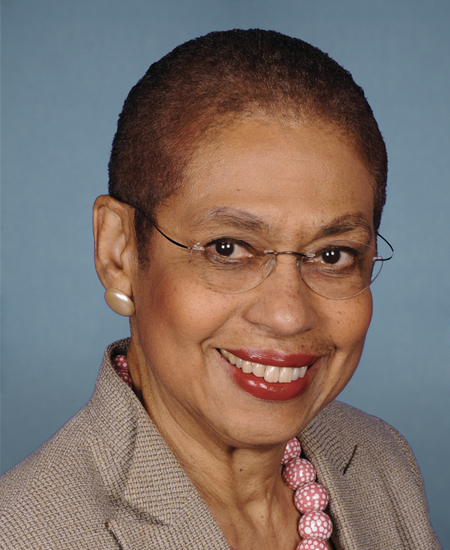
119th Congress Introduced by Eleanor Holmes Norton

The bill would automatically appoint certain District of Columbia court judges without Senate confirmation.

Sponsor introductory remarks on measure. (CR E589)
0
WeVote Research Nonpartisan
Bill Summary · HR 9362

Summary of Bill: HR 9362 (119th Congress)

Purpose and intent

  • The bill amends the District of Columbia Home Rule Act to establish an automatic appointment process for judges to the District of Columbia courts.
  • The core aim is to remove the requirement for advice and consent of the U.S. Senate for certain judicial appointments in DC, moving toward a system where DC judges are appointed automatically.

Key provisions and changes

  • Automatic appointment mechanism: Creates a framework whereby certain District of Columbia court judges would be appointed without needing Senate confirmation.
  • Scope of "automatic": The bill specifies which DC court positions would be covered by the automatic appointment process (e.g., district court judges or other specified DC courts). The exact scope would be defined in the statute or accompanying provisions.
  • Role of executive/legislative branches: Alters or clarifies the roles of DC and federal entities in selecting and confirming judges, reducing or removing the Senate’s traditional “advice and consent” role for these positions.
  • Related authorities and procedures: May adjust related appointment timelines, eligibility criteria, and selection processes to implement automatic appointments.
  • Additional provisions: The title indicates “and for other purposes,” implying potential ancillary changes related to DC governance or judicial administration tied to the main automatic appointment provision.

Who or what would be affected

  • District of Columbia courts and potential DC-based judges covered by the automatic appointment provision.
  • The broader balance of power in DC judicial selection, particularly the interaction between DC local governance and federal oversight embodied in Senate confirmation.
  • Parties seeking judicial appointments in DC, including nominees and existing DC officials involved in the selection process.
  • The U.S. Senate and congressional committees with jurisdiction over oversight and rules, given the referral to Oversight and Government Reform and Rules committees.

Procedural and timeline aspects

  • Introduction and referrals: Introduced in the House and referred on 2026-06-18 to the Committee on Oversight and Government Reform and to the Committee on Rules, with consideration for provisions within their jurisdiction.
  • Committee action: The bill would be considered by the assigned committees, which may hold hearings, amend, and report the measure back to the House.
  • Next steps: If reported, the bill would proceed through the standard House floor process, potential amendments, and ultimately could move to the Senate for consideration (though the bill’s central feature is to bypass Senate advice and consent for certain appointments, creating a notable procedural shift).
  • Timing: Specific implementation dates, transition provisions, and any phased rollout would be defined in the text; the summary notes only the general move toward automatic appointments.

Additional notes

  • Co-sponsor: Eleanor Holmes Norton, indicating support from a key House sponsor representing the District of Columbia.
  • Given the bill’s nature, it would represent a significant shift in the federal–DC relationship and in the standard federal requirement for Senate confirmation on local DC judicial appointments.

If you’d like, I can add a section outlining potential policy implications, constitutional questions, or compare this proposal to current DC judicial appointment processes.

Compiled from official sources — confirm details with the bill’s official record.

Sign in to ask a question.