

WeVote

Bill

Bill

HR 9967

To amend the Congressional Accountability Act of 1995 to provide enhanced enforcement authority for occupational safety and health protections applicable to the legislative branch, to provide whistleblower protections and other antidiscrimination protections for employees of the legislative branch, and for other purposes.

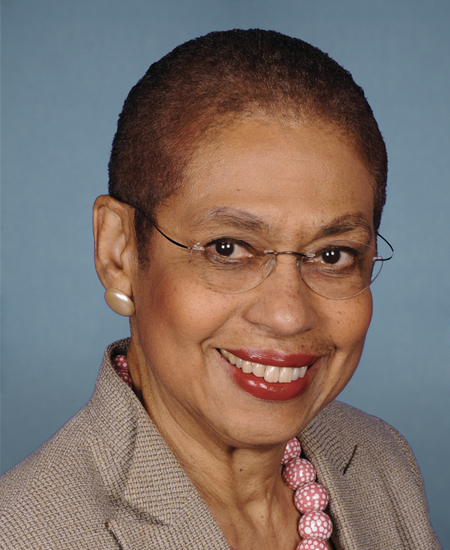
119th Congress Introduced by Eleanor Holmes Norton

Strengthen enforcement of workplace safety for Congress and expand whistleblower and anti-discrimination protections for legislative employees.

Sponsor introductory remarks on measure. (CR E745)
0
WeVote Research Nonpartisan
Bill Summary · HR 9967

Overview

HR 9967 (119th Congress) aims to amend the Congressional Accountability Act of 1995 to strengthen enforcement of occupational safety and health protections for the legislative branch, expand whistleblower and anti-discrimination protections for legislative employees, and address related enforcement and accountability issues. The bill was introduced on July 27, 2026, and is sponsored with Eleanor Holmes Norton as a co-sponsor. It was referred to the House Administration Committee and, for consideration of provisions within its jurisdiction, to the Education and Workforce Committee and the Judiciary Committee.

Purpose and Intent

  • Enhance enforcement of occupational safety and health protections applicable to the legislative branch.
  • Expand whistleblower protections for legislative branch employees.
  • strengthen anti-discrimination protections for employees of the legislative branch.
  • Provide additional mechanisms and authorities to ensure compliance with workplace safety, whistleblower, and anti-discrimination requirements within Congress.

Key Provisions and Changes (as described by the bill’s purpose)

Note: The specific textual provisions are not included in the summary provided, but the bill’s stated aims indicate the following areas of change:

  • Occupational Safety and Health Enforcement

    • Expand or elevate enforcement authority related to workplace safety and health protections for legislative branch workplaces and employees.
    • Potentially specify new inspectors, penalties, complaint procedures, or remediation timelines to align with broader OSHA-like standards for federal employees or targeted congressional environments.
  • Whistleblower Protections

    • Extend or strengthen protections for employees who report safety concerns, retaliation, or other protected activities within the legislative branch.
    • Clarify remedies, adverse action prohibitions, and enforcement mechanisms for whistleblower complaints.
  • Anti-Discrimination Protections

    • Broaden protections against discrimination in hiring, promotion, wages, or other employment actions based on protected characteristics or whistleblowing activities within congressional employment.
    • Improve complaint intake, investigation procedures, and corrective action processes.
  • Enforcement and Accountability

    • Provide enhanced enforcement tools or procedures to ensure compliance by congressional offices and agencies.
    • Potentially streamline or modify the role of inspector general offices, management offices, or designated authorities in handling violations.

Who Would Be Affected

  • Employees of the United States Congress, including staff in House and Senate offices, committees, and related legislative support agencies.
  • Employers and offices within the legislative branch responsible for workplace safety, human resources, and compliance with employment laws.
  • Entities involved in the enforcement process for occupational safety, whistleblower protection, and anti-discrimination within the legislative branch.

Procedural and Timeline Considerations

  • Referral Path: The bill was referred to the Committee on House Administration, with additional referrals to the Committee on Education and Workforce and the Committee on the Judiciary for provisions within their jurisdiction.
  • Introduction Date: July 27, 2026.
  • Next Steps: As with typical House procedure, the bill would undergo committee consideration, potential amendments, and, if reported, proceed to consideration on the floor. Timelines would depend on committee action and leadership decisions (e.g., scheduling for floor debate, potential amendment windows).

Potential Impacts

  • Improved safety oversight and stronger enforcement of occupational safety standards for congressional workplaces.
  • Stronger protections against retaliation for employees who raise safety concerns or engage in protected activity.
  • Expanded anti-discrimination safeguards, contributing to more equitable treatment of legislative branch employees.
  • Increased accountability of congressional offices and related agencies in complying with workplace protections.

Notes

  • This summary reflects the bill’s stated objectives and the committees it was referred to, not the full legislative text. For detailed provisions (specific amendments, definitions, penalties, and procedures), the bill’s text and accompanying committee reports would be required.

Compiled from official sources — confirm details with the bill’s official record.

Sign in to ask a question.