

WeVote

Bill

Bill

HR 8201

To amend Public Health Service Act to require community health centers to provide behavioral and mental health and substance use disorder services, and for other purposes.

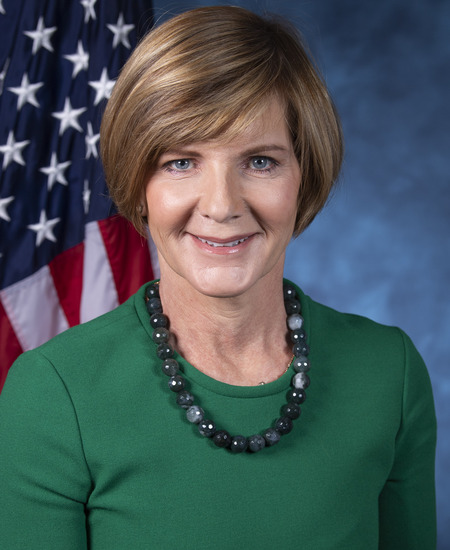
119th Congress Introduced by Susie Lee

HR 8201 requires federally qualified community health centers to offer mental health, behavioral, and substance use disorder services to expand access for underserved populations.

Introduced in House
0
WeVote Research Nonpartisan
Bill Summary · HR 8201

Legislative bill overview

HR 8201 amends the Public Health Service Act to mandate that federally qualified community health centers (FQHCs) provide behavioral health, mental health, and substance use disorder services. The bill establishes a requirement for these services to be available at community health centers, which serve as primary healthcare access points for underserved populations across the country.

Why is this important

Community health centers serve approximately 30 million Americans, including low-income, uninsured, and rural populations with limited access to specialty care. Mental health and substance use disorders affect a significant portion of these populations, yet many FQHCs currently lack integrated behavioral health services due to funding and staffing constraints. This requirement would potentially expand access to critical services for vulnerable populations while addressing the broader mental health and opioid crisis.

Potential points of contention

  • Implementation costs and funding: The bill does not appear to specify funding mechanisms, raising questions about whether existing FQHC budgets can absorb new service requirements without federal appropriations or if providers will face unfunded mandates.
  • Workforce shortage concerns: The behavioral health workforce is already strained; requiring all FQHCs to provide these services may face resistance from providers citing recruitment and retention challenges, particularly in rural areas.
  • Definition and scope ambiguity: The phrase "for other purposes" suggests potential amendments not detailed in available summaries, and the specific services required, qualification standards for providers, and integration mechanisms remain unclear.

Compiled from official sources — confirm details with the bill’s official record.

Sign in to ask a question.