

WeVote

Bill

Bill

SB 149

TAX/TAXATION: Repeals the earned income tax credit. (1/1/26) (OR +$64,600,000 GF RV See Note)

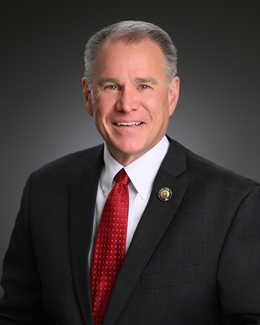
2025 Regular Session Introduced by Alan Seabaugh

Louisiana bill SB 149 repeals the earned income tax credit effective 2026, raising $64.6 million by increasing taxes on low-to-moderate income working families.

Introduced in the Senate; read by title. Rules suspended. Read second time and referred to the Committee on Revenue and Fiscal Affairs.
0
WeVote Research Nonpartisan
Bill Summary · SB 149

Legislative bill overview

SB 149 would repeal Louisiana's earned income tax credit (EITC), a tax benefit that reduces the tax burden for low-to-moderate income working individuals and families. The repeal would take effect January 1, 2026, and is projected to generate approximately $64.6 million in additional general fund revenue.

Why is this important

The EITC is a major anti-poverty tool that supplements wages for working people earning below certain income thresholds. Eliminating it would directly increase taxes on Louisiana's lowest-income workers and reduce their disposable income, potentially affecting household budgeting, consumer spending, and economic participation in lower-income communities.

Potential points of contention

  • Impact on low-income workers: The EITC primarily benefits workers earning $15,000-$60,000 annually; repeal would directly reduce take-home pay for this demographic
  • Budget trade-offs: While generating $64.6M in revenue, eliminating a poverty-reduction tool raises questions about whether this is the most equitable revenue source compared to other taxation options
  • Economic stimulus effects: Some economists argue EITC repeal could reduce consumer spending and economic activity in lower-income communities, potentially offsetting some revenue gains through reduced business activity
  • Alignment with federal policy: This diverges from federal EITC policy, which most states have adopted as complementary anti-poverty strategy

Compiled from official sources — confirm details with the bill’s official record.

Sign in to ask a question.