

WeVote

Bill

Bill

SF 5032

Tax establishment on certain individuals and organizations convicted of and benefiting from fraud and certain data sharing and disclosure provisions

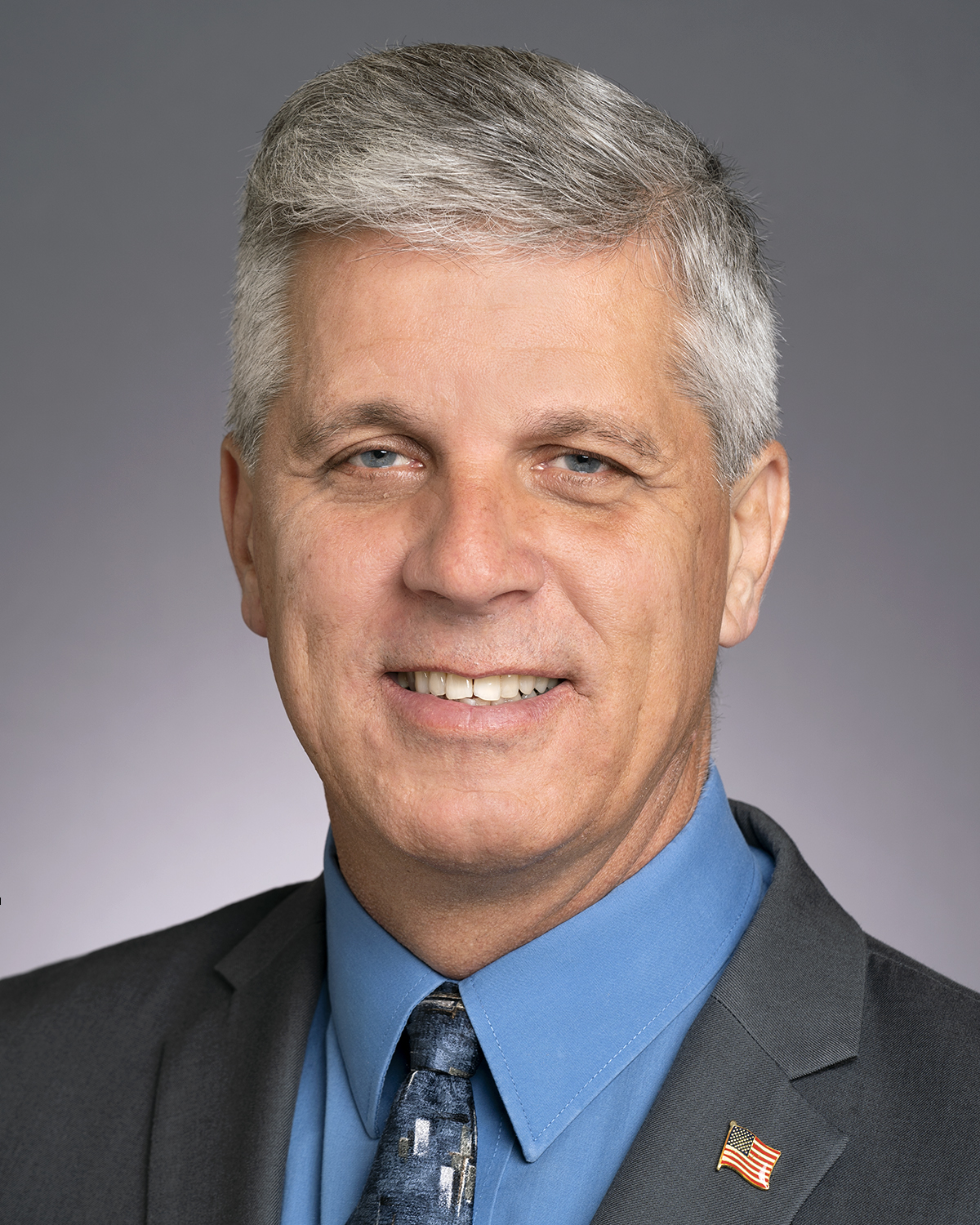
2025-2026 Regular Session Introduced by Steve Drazkowski and 3 co-sponsors

Imposes a 100% tax on amounts obtained through fraud, with proceeds dedicated to a tax relief fund for income and property taxes.

Second reading
0
WeVote Research Nonpartisan
Bill Summary · SF 5032

Summary of Minnesota Senate Bill SF 5032 (2025-2026)

Jurisdiction: Minnesota

Title: Tax establishment on certain individuals and organizations convicted of and benefiting from fraud

Committee Action: Referred to Taxes (April 9, 2026)

Authors/Sponsors: Drazkowski, Rest, Heintzeman, Lucero, Holmstrom
Co-sponsors: Mike Holmstrom, Eric Lucero, Steve Drazkowski, Ann Rest

Effective Date: Retroactive to fraud determinations made after December 31, 2019

1) Main Purpose and Intent

  • Establishes a new tax on amounts obtained through fraud, targeting individuals and organizations convicted of fraud or determined by the Commissioner of Revenue to have obtained money by fraud.
  • The tax is designed to recover funds connected to fraudulent activity by imposing a 100% tax on the amount obtained through fraud, with proceeds earmarked for tax relief purposes.

2) Key Provisions and Changes

  • Subdivision 1 — Definitions

    • “Commissioner” means the Minnesota Commissioner of Revenue.
    • “Fraud” means the intentional use of deceit or dishonest means to obtain state money from a state program or appropriation. This definition excludes refunds for overpayment of taxes. The definition applies regardless of whether a conviction has occurred.
  • Subdivision 2 — Tax Imposed

    • A tax equal to 100% of the amount obtained by fraud is imposed: 1) On any individual or organization convicted by a state or federal court of fraud. 2) On any individual or organization the Commissioner determines to have obtained money by fraud. 3) On any individual or organization that receives compensation from an entity described in clause (1) in exchange for participating in the fraudulent activity. 4) On any individual or organization that receives compensation from an entity described in clause (3) in exchange for participating in activity the Commissioner has determined to be obtained by fraud.
    • The tax applies regardless of any restitution or penalties that may be imposed or paid in connection with the fraud.
  • Subdivision 3 — Role of Commissioner

    • The Commissioner must investigate individuals/organizations reasonably believed to have engaged in fraud, in consultation with applicable law enforcement or other agencies.
    • The Commissioner must establish a payment schedule and enforcement mechanisms for the tax.
    • Appeals of the tax assessment follow the procedures set forth in Minnesota Statutes section 270C.35.
  • Subdivision 4 — Deposit of Money

    • Funds collected under this section must be deposited into a “tax relief account.”
    • Money in the account must be used for income or property tax relief (or both) as determined by law.
    • The tax relief account is established within the state’s special revenue fund.
  • Effective Date

    • Retroactive to fraud determinations made after December 31, 2019.

3) Who or What Would be Affected

  • Individuals and organizations convicted of fraud in state or federal court.
  • Individuals or organizations determined by the Commissioner of Revenue to have obtained money through fraud (even without a criminal conviction).
  • Individuals or organizations that receive compensation from convicted parties or those engaged in activities deemed fraudulent by the Commissioner (i.e., actors who profit from participation in fraud nor those who provide compensation to those convicted or determined fraudulent).
  • Taxpayers or participants in state programs who might be indirectly affected through enforcement mechanisms and repayment schedules.
  • Revenues would feed a dedicated “tax relief account” used for income and/or property tax relief.

4) Procedural and Timeline Aspects

  • Initiation: Introduced and referred to the Senate Taxes Committee (April 9, 2026).
  • Investigation: The Commissioner is authorized to investigate suspected fraud in coordination with law enforcement and other agencies.
  • Assessment and Payment: The Commissioner must establish a schedule for paying the 100% fraud-based tax and enforcement methods.
  • Appeals: Tax assessments follow the appeal process outlined in Minnesota tax law (Section 270C.35).
  • Revenue Use: Collected amounts go into a dedicated tax relief account within the special revenue fund and are used for income and/or property tax relief per applicable law.
  • Retroactive Date: Applies to fraud determinations made after December 31, 2019, meaning certain past cases could be subject to the new tax if the fraud determinations occurred post-2019.

5) Observations and Potential Impacts

  • Substantial fiscal impact: A 100% tax on fraud proceeds could significantly increase the state’s recovery of funds from fraudulent activities.
  • Scope and enforcement: The bill grants broad authority to the Commissioner to identify parties and determine “fraud,” potentially extending beyond formal convictions.
  • Administrative burden: Establishing payment schedules and enforcement mechanisms will require robust administrative processes and coordination with law enforcement.
  • Policy rationale: The measure aligns revenue recovery with fraud deterrence, dedicating proceeds to tax relief programs rather than general fund use.

If you’d like, I can provide a quick comparison to existing Minnesota fraud recovery mechanisms or draft a plain-language one-page fact sheet for distribution.

Compiled from official sources — confirm details with the bill’s official record.

Sign in to ask a question.