

WeVote

Bill

Bill

HR 2108

TANF State Expenditure Integrity Act of 2025

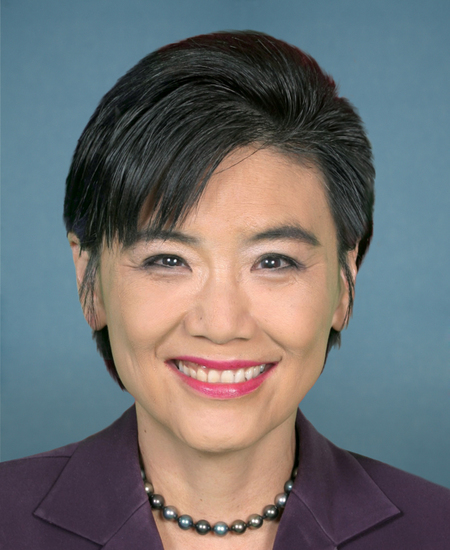
119th Congress Introduced by Judy Chu and 6 co-sponsors

The TANF State Expenditure Integrity Act of 2025 boosts accountability for TANF funds, ensuring effective use to better support low-income families through stricter reporting and audits.

Introduced in House
0
WeVote Research Nonpartisan
Bill Summary · HR 2108

Summary of HR 2108: TANF State Expenditure Integrity Act of 2025

Purpose and Intent

The TANF State Expenditure Integrity Act of 2025 (HR 2108) aims to enhance the accountability and integrity of state expenditures under the Temporary Assistance for Needy Families (TANF) program. The bill seeks to ensure that funds allocated to TANF are used effectively and for their intended purposes, thereby improving the overall efficiency of welfare programs designed to support low-income families.

Key Provisions

The bill includes several significant provisions intended to strengthen oversight and reporting requirements for TANF expenditures:

  • Increased Reporting Requirements: States will be required to provide detailed reports on how TANF funds are spent, including specific categories of expenditures and outcomes achieved.

  • Audit and Compliance Measures: The bill mandates regular audits of state TANF programs to ensure compliance with federal guidelines and to identify any misuse of funds.

  • Penalties for Non-Compliance: States that fail to adhere to the reporting and compliance standards may face financial penalties, which could include reductions in federal TANF funding.

  • Support for Best Practices: The legislation encourages states to adopt best practices in managing TANF funds, including innovative approaches to service delivery and program evaluation.

Affected Parties

The primary stakeholders affected by this legislation include:

  • State Governments: States administering TANF programs will need to adjust their reporting and compliance practices to align with the new requirements.

  • Low-Income Families: The intended beneficiaries of TANF, low-income families, may experience improved services and support as a result of more effective fund management.

  • Federal Oversight Agencies: Agencies responsible for monitoring TANF expenditures will have increased responsibilities in terms of auditing and compliance checks.

Procedural Aspects

  • Introduced Date: The bill was introduced in the House on March 14, 2025.

  • Committee Referral: Following its introduction, HR 2108 was referred to the House Committee on Ways and Means for further consideration.

  • Sponsorship: The bill is primarily sponsored by Danny K. Davis, with notable cosponsors including Gwen Moore, Jimmy Gomez, Judy Chu, Bennie G. Thompson, and Dwight Evans.

Conclusion

The TANF State Expenditure Integrity Act of 2025 represents a significant step towards improving the accountability of TANF funding. By instituting stricter reporting and compliance measures, the bill aims to ensure that resources are utilized effectively to support the welfare of low-income families across the United States. As the bill progresses through the legislative process, its implications for state welfare programs and the families they serve will be closely monitored.

Compiled from official sources — confirm details with the bill’s official record.

Sign in to ask a question.