

WeVote

Bill

Bill

HB 1280

Supporting Our Caregiver Infrastructure Program - Feasibility Study

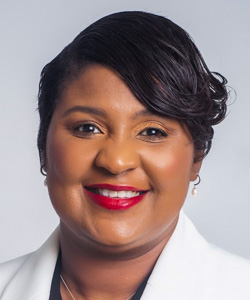
2026 Regular Session Introduced by Tiffany Alston and 19 co-sponsors

Maryland authorizes a feasibility study to examine establishing statewide support programs for unpaid family caregivers of elderly and disabled individuals.

Approved by the Governor - Chapter 704
0
WeVote Research Nonpartisan
Bill Summary · HB 1280

Legislative bill overview

HB 1280 authorizes Maryland to conduct a comprehensive feasibility study on establishing a statewide caregiver infrastructure program. The study would examine the need for, costs of, and implementation options for supporting informal caregivers—family members and others who provide unpaid care to elderly, disabled, or ill individuals. Results would inform future legislative and policy decisions on caregiver support mechanisms.

Why is this important

Maryland's aging population and rising healthcare costs create growing demand for caregiving services, much of which currently falls on unpaid family caregivers who often face financial strain and health consequences. A feasibility study could identify evidence-based approaches to reduce caregiver burden, prevent premature institutionalization, and potentially lower long-term healthcare expenditures. The study's findings may shape whether Maryland develops funding mechanisms, training programs, respite care options, or tax benefits for caregivers.

Potential points of contention

  • State budget impact: The cost of the feasibility study itself and potential future program costs remain undefined; fiscal impact may concern budget-conscious legislators
  • Scope and funding mechanisms: Disagreement over whether programs should focus on tax credits, direct subsidies, public employee benefits, or training—with different fiscal and philosophical implications
  • Who qualifies: Defining which caregivers and care recipients would be eligible (e.g., age limits, income thresholds, relationship to care recipient) involves politically sensitive prioritization decisions

Compiled from official sources — confirm details with the bill’s official record.

Sign in to ask a question.