

WeVote

Bill

Bill

HR 9485

Supporting Older Foster Youth Act

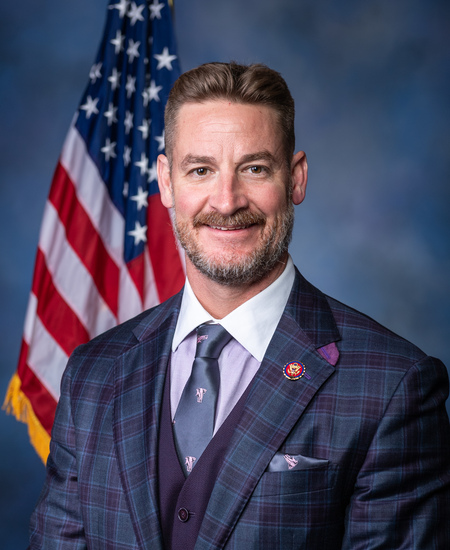
119th Congress Introduced by Greg Steube and 1 co-sponsor

The bill would boost annual Chafee Foster Care funding to 163 million dollars starting Oct 1, 2026 to expand support for older foster youth transitioning to adulthood.

Introduced in House
0
WeVote Research Nonpartisan
Bill Summary · HR 9485

Summary of HR 9485 — Supporting Older Foster Youth Act

Purpose and intent

  • HR 9485, introduced in the 119th Congress, is designed to modernize the John H. Chafee Foster Care Program for Successful Transition to Adulthood. The goal is to better meet the needs of older youth who have aged out of the foster care system, ensuring greater support as they transition to independence.

Key provisions

  • Funding increase for the Chafee program: The bill amends Section 477(h)(1) of the Social Security Act to raise annual funding levels. The current language it replaces includes a base of $140,000,000 (and, starting in fiscal year 2020, $143,000,000). The amendment specifies a steadier, higher annual appropriation of $163,000,000 for each fiscal year.
  • Effective date: The enhanced funding amount would take effect on October 1, 2026.

Who/what is affected

  • The primary beneficiary is older foster youth who participate in or rely on the Chafee Foster Care Program for assistance during the transition to adulthood. By increasing funding, the program can expand services, support, and resources available to these youths.
  • Government program administrators and state agencies administering the Chafee program would be impacted through the higher annual funding levels and any associated implementation requirements.

Procedural and timeline details

  • Introduction and sponsorship: The bill was introduced by Rep. Tom Suozzi, with Rep. Greg Steube as a co-sponsor.
  • Referral: It was referred to the House Committee on Ways and Means.
  • Timeline: The bill sets the funding increase to take effect beginning October 1, 2026, aligning with fiscal year budgeting cycles.

Notes

  • The bill focuses narrowly on increasing annual funding for the Chafee program to 163 million dollars per year, with no other substantive policy changes enumerated in the text provided.
  • If enacted, states and service providers administering Chafee would leverage the higher funds to expand or enhance programs and services aimed at helping older foster youth achieve successful transitions to adulthood.

Compiled from official sources — confirm details with the bill’s official record.

Sign in to ask a question.