
WeVote

Bill

Bill

SB 3279

Suffrage; restore to Randall Lee McCulloch.

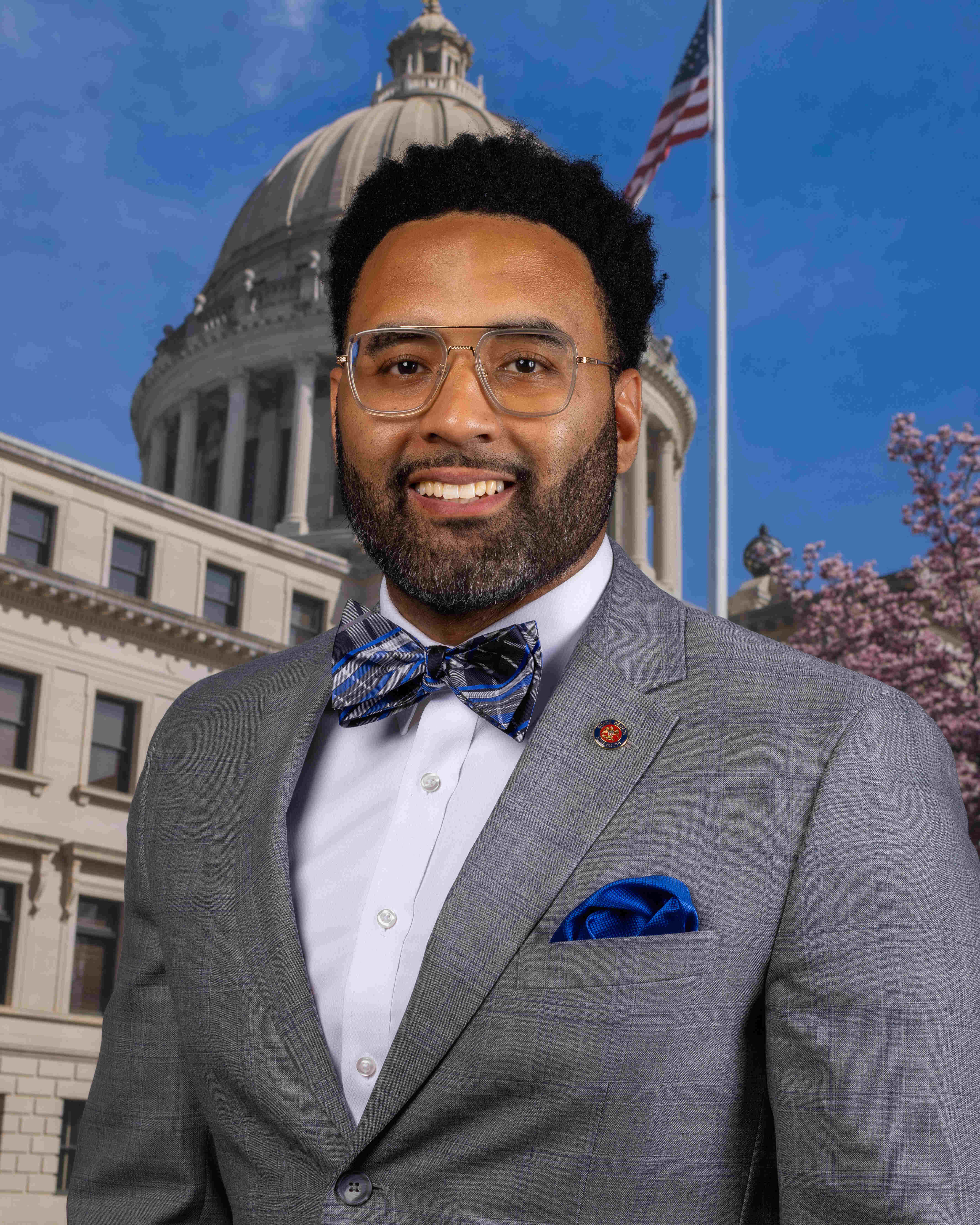
2025 Regular Session Introduced by Rod Hickman

Restores Randall Lee McCulloch's voting rights via a targeted, one-person bill.

Died In Committee
0
WeVote Research Nonpartisan
Bill Summary · SB 3279

SB 3279 — Suffrage; restore to Randall Lee McCulloch

Status: Died In Committee

Introduced: March 19, 2025
Current Classification: bill
Subject: judiciary, Division B

Overview

SB 3279 is a targeted piece of legislation whose stated objective is to restore voting rights (suffrage) to a named individual, Randall Lee McCulloch. The bill’s title indicates a single-person restoration of civil rights related to voting.

Purpose and Intent

  • The primary aim, as reflected in the title, is to restore Randall Lee McCulloch’s right to vote.
  • Based on the available information, the bill appears to be a targeted, single-person remedial measure rather than a broad reform affecting a class of voters or a policy set.

Key Provisions

  • The text of the bill is not provided in the available materials, so the exact statutory language and any conditions, definitions, or related provisions cannot be detailed here.
  • From the title alone, the central provision would be a restoration of suffrage for Randall Lee McCulloch. It is unclear whether the bill includes companion provisions (e.g., related civil rights restoration, duties, or oversight) beyond this targeted restoration.

Affected Parties

  • Primary beneficiary: Randall Lee McCulloch.
  • Other potential indirect effects are not evident from the provided information; there is no indication of broader, systemic changes.

Legislative History and Timeline

  • March 19, 2025: Introduced and referred to Judiciary, Division B.
  • April 3, 2025: Died In Committee, meaning it did not advance to a full chamber for consideration in the current session.

Potential Impact and Considerations

  • Practically, the bill would affect the voting eligibility status of one individual if enacted.
  • As a single-person bill, it does not reflect a broad policy change or alter voting rights for a larger population.
  • With the bill having died in committee, there is no immediate effect, and any future consideration would require reintroduction and passage through the standard legislative process.

Next Steps

  • If reintroduced in a future session, the bill would again go through introduction, referral to a committee (likely Judiciary, Division B), potential hearings, and votes in the chamber of origin and the other legislative chamber (if applicable), before reaching the governor or president for final action.

Compiled from official sources — confirm details with the bill’s official record.

Sign in to ask a question.
