

WeVote

Bill

Bill

S 152

Student Empowerment Act

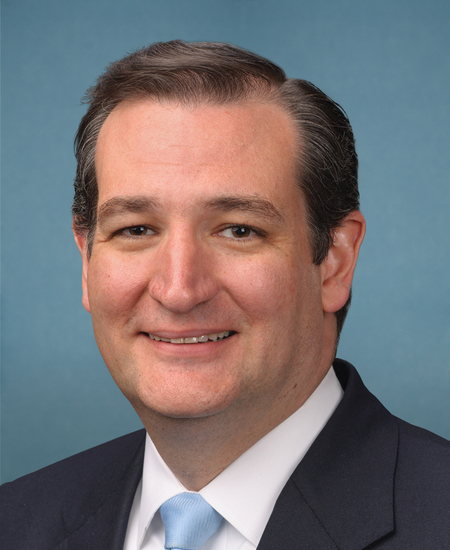
119th Congress Introduced by Ted Cruz and 8 co-sponsors

Bill S 152 seeks to reform consecutive prison sentences, ensuring fair application and clarity in sentencing guidelines, impacting judges and incarcerated individuals.

Introduced in Senate
0
WeVote Research Nonpartisan
Bill Summary · S 152

Summary of Bill S 152: Relates to Consecutive Terms of Imprisonment

Bill Number: S 152
Introduced On: January 08, 2025
Current Status: Referred to Codes Committee
Classification: Legislative Bill

Purpose and Intent

Bill S 152 aims to address the legal framework surrounding consecutive terms of imprisonment. The primary intent of the bill is to clarify and potentially reform how sentences are served when an individual is convicted of multiple offenses. This legislation seeks to ensure that the imposition of consecutive sentences is applied fairly and consistently across the judicial system.

Key Provisions

While the specific text of the bill is not provided, the following are anticipated provisions based on the title and legislative context:

  • Clarification of Sentencing Guidelines: The bill may outline specific criteria under which consecutive sentences can be imposed, potentially limiting the circumstances that allow for such sentences.

  • Judicial Discretion: It may address the level of discretion judges have in determining whether sentences should run consecutively or concurrently, possibly introducing new standards or requirements for judges to consider.

  • Impact on Sentencing Practices: The bill could lead to a review of current sentencing practices, encouraging a more uniform approach to how multiple offenses are penalized.

Who Would Be Affected

  • Judicial System: Judges and legal practitioners would need to adapt to any new guidelines or standards established by the bill, which could affect sentencing practices in courts.

  • Incarcerated Individuals: Those currently serving consecutive sentences or facing multiple charges may experience changes in their sentencing outcomes if the bill is enacted.

  • Victims and Society: The bill may also have implications for victims of crime and the broader community, as changes in sentencing could influence perceptions of justice and public safety.

Procedural Aspects

  • Legislative Process: As of January 08, 2025, the bill has been referred to the Codes Committee for further consideration. The next steps will involve discussions, potential amendments, and voting within the committee before it can progress to the full legislative body.

  • Related Legislation: This bill is related to S 2501 from the prior session, which may provide context or background on the legislative intent and discussions surrounding consecutive terms of imprisonment.

Conclusion

Bill S 152 represents a significant step towards reforming how consecutive sentences are handled within the legal system. By clarifying sentencing guidelines and potentially limiting judicial discretion, the bill aims to promote fairness and consistency in the application of justice. Stakeholders, including legal professionals and affected individuals, will need to monitor the bill's progress and implications closely.

Compiled from official sources — confirm details with the bill’s official record.

Sign in to ask a question.