

WeVote

Bill

Bill

HR 6426

STOP Scams Against Seniors Act

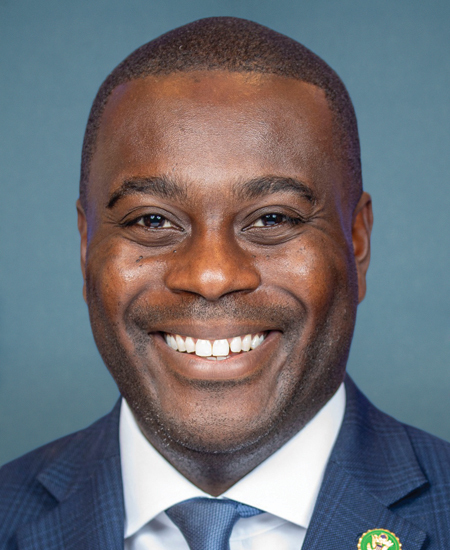
119th Congress Introduced by Gabe Amo and 20 co-sponsors

Authorizes Byrne/JAG funds to create elder justice task forces tackling financial scams against seniors, with reporting on cases, victims, and outcomes.

Introduced in House
0
WeVote Research Nonpartisan
Bill Summary · HR 6426

Overview

  • Bill: H.R. 6426
  • Session: 119th Congress
  • Title: STOP Scams Against Seniors Act (Strengthening Task Forces to Oppose Predatory Scams Against Seniors Act)
  • Purpose: Amend the Omnibus Crime Control and Safe Streets Act of 1968 to authorize using Edward Byrne Memorial Justice Assistance Grant (JAG) funds to establish elder justice task forces focused on preventing financial exploitation, scams, and fraud targeting individuals aged 60 and older.

What the bill would change

  • Authorization of Byrne/JAG Funds for Elder Justice

    • Adds a new permissible use under current Byrne/JAG funding authorities.
    • Specifically authorizes the establishment, operation, and implementation of elder justice task forces.
    • Task forces may involve coordination with state and local law enforcement, prosecutors, adult protective services professionals, and federal agencies (including FBI, FTC, DOJ, and United States Secret Service).
    • Focus area: financial exploitation, scams, and fraud aimed at seniors (60+).
  • Reporting Requirements

    • New reporting obligations for grant recipients using Byrne funds for elder justice purposes.
    • Recipient reports must include:
    • Number of cases initiated by the elder justice task force during the grant period.
    • Number of cases fully investigated and concluded during the period.
    • Number of fraud victims who received support, legal assistance, or restitution.
    • For each victim/case: the type of scam and the method of initial contact by perpetrators.
    • For each victim/case: indicators of organized or transnational criminal involvement.
    • Annual Attorney General report
    • The Attorney General would annually submit a summary of the information collected from these recipient reports to the House and Senate Judiciary Committees.

Who is affected

  • Federal, state, and local law enforcement agencies, prosecutors, and adult protective services professionals.
  • Federal agencies involved in elder justice collaboration (FBI, FTC, DOJ, Secret Service).
  • Jurisdictions receiving Byrne/JAG funding that choose to establish elder justice task forces.
  • Senior victims (60+) of financial scams and exploitation, who could benefit from enhanced investigations, support, and potential restitution.

Key provisions and details

  • Short Title: STOP Scams Against Seniors Act (Strengthening Task Forces to Oppose Predatory Scams Against Seniors Act).
  • Expansion of Byrne funds use (Section 501(a)(1) amendment) to include elder justice task forces.
  • Scope of Task Forces: May include coordination with federal, state, and local entities to address financial exploitation of seniors.
  • Reporting framework:
    • Recipient-level reporting on activity and outcomes.
    • AG-level annual synthesis and public reporting to Congress.

Procedural and timeline aspects

  • Introduced in the House on December 4, 2025.
  • Referred to the House Committee on the Judiciary.
  • No further action or passage timeline provided in the text excerpt; typical next steps would involve committee consideration, potential amendments, and floor votes in the House and Senate, followed by potential conference agreement and president's signature.

Potential impact

  • Enhanced coordination and resources to combat senior-targeted financial scams.
  • Transparent accountability through structured reporting on casework, victims assisted, and indicators of larger criminal networks.
  • Potential for increased restitution or support for senior victims through dedicated elder justice efforts.
  • Clarifies federal role and encourages interagency collaboration in elder protection efforts.

Compiled from official sources — confirm details with the bill’s official record.

Sign in to ask a question.