

Bill

BILL • US SENATE

S 1339

Stop CCP Money Laundering Act of 2025

119th Congress
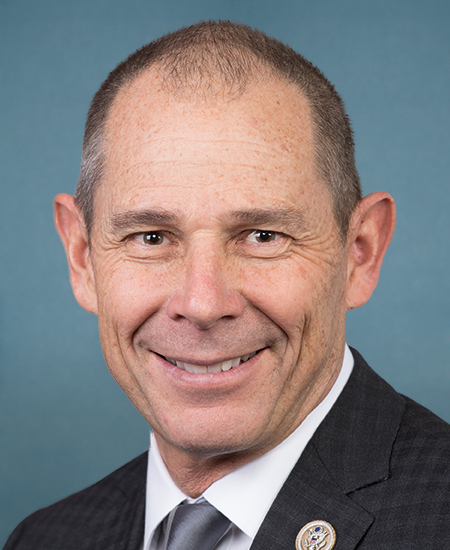
Introduced by John Curtis, Jeff Merkley,

Aims to curb CCP money laundering by tightening screening and enforcement, boosting compliance for banks and related financial transactions.

Introduced in Senate
0
0
Bill Summary • S 1339

Summary of S. 1339 — Stop CCP Money Laundering Act of 2025

Purpose and short title

  • The bill is introduced as the Stop Corrupt Communist Party Money Laundering Act of 2025, with an alternative short title: Stop CCP Money Laundering Act of 2025. The version content provided shows only the citation language and does not include the bill’s substantive text.

Legislative status and timeline

  • Introduced in the Senate on April 8, 2025.
  • The same day, the bill was read twice and referred to the Senate Committee on Banking, Housing, and Urban Affairs.
  • Status: Introduced; referred to committee for consideration.

Sponsors

  • Primary sponsor: Senator John Curtis
  • Cosponsor: Senator Jeff Merkley

What the bill would do (based on the information provided)

  • The materials provided do not include the bill’s actual provisions or text. As such, there are no specific statutory changes, funding authorizations, or regulatory requirements detailed in this content.
  • The title indicates an objective related to preventing money laundering connected to the Chinese Communist Party (CCP). However, without the bill’s text, all substantive provisions (e.g., changes to financial reporting, enforcement, penalties, or scope) cannot be confirmed here.

Potential areas of impact (general context; not from the text)

  • If enacted, bills with a focus on money laundering typically address enhanced screening or reporting for financial transactions, expanded powers or authorities for enforcement agencies, and penalties for violations.
  • Possible impacts could involve financial institutions, compliance obligations, and international or transnational financial enforcement, but no specific requirements are stated in the provided version.

Procedural and timeline considerations

  • Next steps typically include committee consideration, potential amendments, passage by the Senate, and consideration by the House (if a companion bill exists) before any president’s signature.
  • Availability of the bill text and any committee reports will be essential to understand the enacted provisions, funding, effective dates, and enforcement mechanisms.

Additional notes

  • For readers seeking detailed substance, the bill’s full text and any committee statements or fiscal impact notes will be needed. The current summary is limited to the meta-information provided: title, date of introduction, sponsor information, and the committee referral.

If you’d like, I can incorporate any released bill text or committee summaries as soon as they’re available to provide a more detailed provisions-by-provisions analysis.

Hi! I'm your AI assistant for S 1339. I can help you understand its provisions, impacts, and answer any questions.

Key Provisions Impacts Timeline
Sign in to chat