

WeVote

Bill

Bill

HB 108

STATEWIDE PUBLIC HEALTH AND CLIMATE PGM

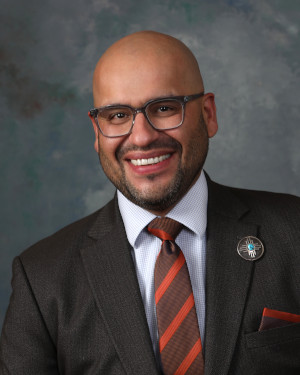
2025 Regular Session Introduced by Javier Martínez and 3 co-sponsors

Creates a Statewide Public Health and Climate Program in DOH to coordinate climate-health actions, assist communities, and boost resilience, with $1.1M FY26 funding.

action postponed indefinitely
0
WeVote Research Nonpartisan
Bill Summary · HB 108

Summary — HB 108: Statewide Public Health and Climate Program

Status: Action postponed indefinitely
Introduced: (packet) August 15, 2025
Primary subject areas: Environment; Health & Health Facilities

Main purpose

HB 108 would establish a Statewide Public Health and Climate Program within the Department of Health (DOH) to coordinate state and local public‑health action on the health effects of climate change. The program’s aims are to improve interagency collaboration, address health equity, mitigate health impacts of extreme weather (heat, wildfire smoke, floods, vector‑ and waterborne disease), and support community climate‑adaptation and resilience planning.

Key provisions

  • Creates a formal Statewide Public Health and Climate Program housed in the DOH.
  • Directs the program to:
    • Assist local communities, counties and tribal public‑health councils to develop climate‑health action and resilience plans.
    • Provide subject‑matter expertise for climate‑related public‑health planning and response.
    • Facilitate engagement with communities most affected by extreme weather and climate hazards.
    • Enhance data collection and monitoring of climate‑related health outcomes (to work alongside existing Environmental Public Health Tracking efforts).
  • Includes an appropriation to support program start‑up and operation (see fiscal section below).
  • Standard fiscal provisions: unexpended balances at fiscal year end revert to the general fund.

Fiscal impact (from legislative fiscal notes)

  • The bill contains a proposed appropriation of $1.1 million (General Fund) for FY26 to support implementation.
  • Legislative Finance Committee (LFC) analysis estimates additional operating costs of approximately:
    • FY25: $106.96 thousand
    • FY26: $1,206.96 thousand
    • 3‑year total (FY25–FY27 shown): ~$1,313.86 thousand (amounts reported in thousands; recurring)
  • LFC notes the FY26 appropriation is recurring and, although the bill does not mandate future appropriations, multiyear funding could create expectations that the program continues beyond the initial funding year.
  • DOH supplied staffing and annual cost estimates for FY26–FY30 (details summarized in the fiscal note but not itemized in the summary).

Who would be affected

  • Department of Health: hosts and administers the program; would incur staffing and operating responsibilities.
  • County and tribal public‑health councils and local governments: receive technical assistance and planning help.
  • Communities vulnerable to extreme weather and climate impacts: targeted for engagement, resilience planning and services.
  • State General Fund: funds the appropriation(s) and ongoing costs if appropriations continue.

Rationale / Context cited in fiscal analysis

DOH materials cited rising climate‑related health burdens in the state: projected doubling of heat‑related hospitalizations by 2030, recent spikes in heat‑related ED visits and deaths, record wildfires with increased respiratory visits, and evolving vector‑ and waterborne disease risks. The analysis notes the state was not participating in CDC’s Climate‑Ready States & Cities Initiative and that a state program would strengthen coordination, surveillance and resilience.

Procedural / timeline notes

  • Current packet status: action postponed indefinitely (per packet header).
  • If revived and enacted, the appropriation is provided for FY26; any continuation would depend on subsequent legislative appropriation actions.
  • Watch items: future budget cycles (to determine whether funding becomes ongoing), DOH rulemaking or program design, and coordination with federal climate‑health grant opportunities.

If you want, I can:
- Extract the DOH staffing/cost table from the fiscal note for a more detailed budget breakdown, or
- Draft a short briefing memo for legislative staff summarizing benefits, risks and questions for committee hearings.

Compiled from official sources — confirm details with the bill’s official record.

Sign in to ask a question.