

WeVote

Bill

Bill

HJ 447

Statewide food desert mapping tool; Virginia Commission to End Hunger to establish, report.

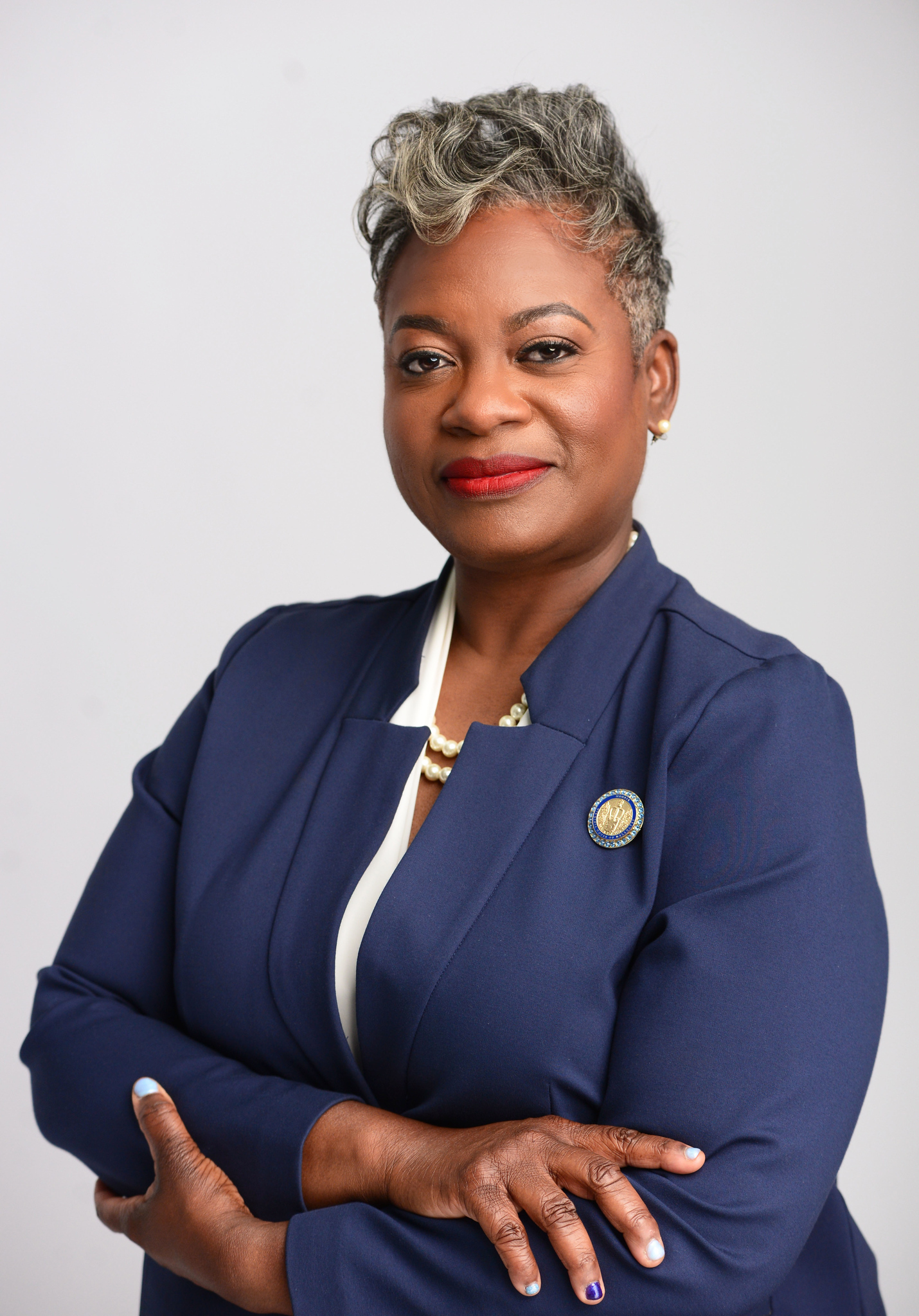
2025 Regular Session Introduced by Bonita Anthony and 5 co-sponsors

Directs Virginia's Commission to End Hunger to build a statewide, data-driven food desert and food apartheid mapping tool to guide policy, funding, and interventions.

Bill text as passed House and Senate (HJ447ER)
0
WeVote Research Nonpartisan
Bill Summary · HJ 447

Summary: House Joint Resolution No. 447 (HJ447ER) – Virginia statewide food desert mapping tool

Purpose

  • Directs the Virginia Commission to End Hunger (the Commission) to establish a statewide food desert mapping tool.
  • The map/tool is intended to identify areas with limited access to affordable, nutritious foods, including “food deserts” and “food apartheid zones,” using up-to-date, data-driven insights to guide policy, resource allocation, and targeted interventions.

Key terms

  • Food desert: As defined by the U.S. Department of Agriculture, a geographic area where residents lack access to affordable, nutritious foods (e.g., fresh fruits/vegetables and other whole foods).
  • Food apartheid: Systemic and structural inequities in food access arising from historical and ongoing discriminatory practices, disproportionately affecting low-income communities.
  • The bill notes these concepts and seeks to address health, economic, and community well-being disparities linked to food access.

Provisions and requirements

  • The Commission shall:
    • Use geographic, socioeconomic, and demographic data to identify food deserts and food apartheid zones in Virginia to create a comprehensive, actionable mapping tool.
    • Incorporate information and data from existing studies and reports addressing food insecurity to improve accuracy and usefulness.
    • Collaborate with:
    • State agencies: Department of Health (and the broader Department of Health), Department of Agriculture and Consumer Services, and Department of Social Services.
    • Higher education and research institutions with expertise in public health, social sciences, and GIS mapping.
    • Nonprofit organizations working in the Commonwealth on food access and equity.
    • Receive technical assistance from the Division of Legislative Automated Systems (DLAS).

Data and methodology

  • The mapping tool will integrate diverse data sources (geographic, socioeconomic, demographic) and existing research on food insecurity to produce a current, actionable picture of where barriers to food access exist.

Reporting and timeline

  • The Commission must submit an executive summary and progress report detailing its efforts and milestones to the Division of Legislative Automated Systems.
  • The report is due on the first day of the 2026 Regular Session of the Virginia General Assembly and must be posted on the General Assembly’s website.
  • This is a directive with reporting requirements, not a new enacted program with funding language, at this stage.

Legislative history and status

  • Introduced: January 7, 2025 (prefiled); Offered January 13, 2025.
  • Referred to: Rules Committee.
  • Enacted status: Passed both chambers as HJ447ER (enrolled February–March 2025); key milestones include:
    • February 3, 2025: House agreed to the measure.
    • February 18, 2025: Senate agreed.
    • March 12, 2025: Bill text as passed House and Senate (HJ447ER) recorded.

Who is affected

  • The Virginia Commission to End Hunger (primary driver) and participating state agencies (Health, Agriculture and Consumer Services, Social Services).
  • Universities, research institutions, and nonprofit organizations collaborating on food access and equity.
  • The public, particularly residents in areas identified as food deserts or food apartheid zones, who may benefit from targeted policies and interventions guided by the mapping tool.

Overall impact

  • Establishes a structured, data-informed approach to map and monitor food access barriers across Virginia.
  • Aims to enable more equitable policy decisions and resource distribution to reduce disparities in nutrition and related health outcomes.

Compiled from official sources — confirm details with the bill’s official record.

Sign in to ask a question.