

WeVote

Bill

Bill

HB 1307

State Finance and Procurement - Employers Receiving State Public Funds - Unfair Labor Practices

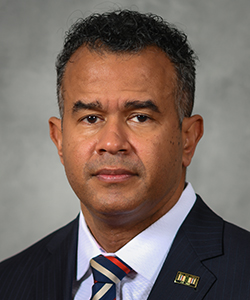
2026 Regular Session Introduced by C.T. Wilson

HB 1307 conditions state public funding on employer compliance with labor standards and prohibits unfair labor practices, linking taxpayer support to worker protections.

Hearing 3/06 at 1:00 p.m.
0
WeVote Research Nonpartisan
Bill Summary · HB 1307

Legislative bill overview

HB 1307 would require employers receiving state public funds to comply with specified labor standards and prohibit unfair labor practices as a condition of receiving those funds. The bill essentially creates accountability measures linking state financial support to employer compliance with labor protections.

Why is this important

State contracting and grants represent substantial public investment, affecting thousands of workers across sectors like construction, social services, and healthcare. This bill addresses whether taxpayer dollars should support employers engaged in practices like wage theft, unsafe conditions, or retaliation against union organizing—questions central to debates about public spending accountability.

Potential points of contention

  • Definition and scope: The bill's specific definition of "unfair labor practices" will determine impact; overly broad definitions may burden small contractors, while narrow ones may limit effectiveness
  • Enforcement and compliance costs: Questions remain about who monitors compliance, what penalties apply, and whether compliance costs get passed to consumers or reduce contractor profits
  • Competitive fairness: Businesses competing for state contracts may face unequal requirements depending on their size, existing practices, or sector, potentially favoring larger established firms
  • Federal preemption questions: Labor law involves both state and federal jurisdiction; unclear how this interacts with NLRA or other federal frameworks

Compiled from official sources — confirm details with the bill’s official record.

Sign in to ask a question.