

WeVote

Bill

Bill

SB 328

State Court of Henry County; additional judge; provide

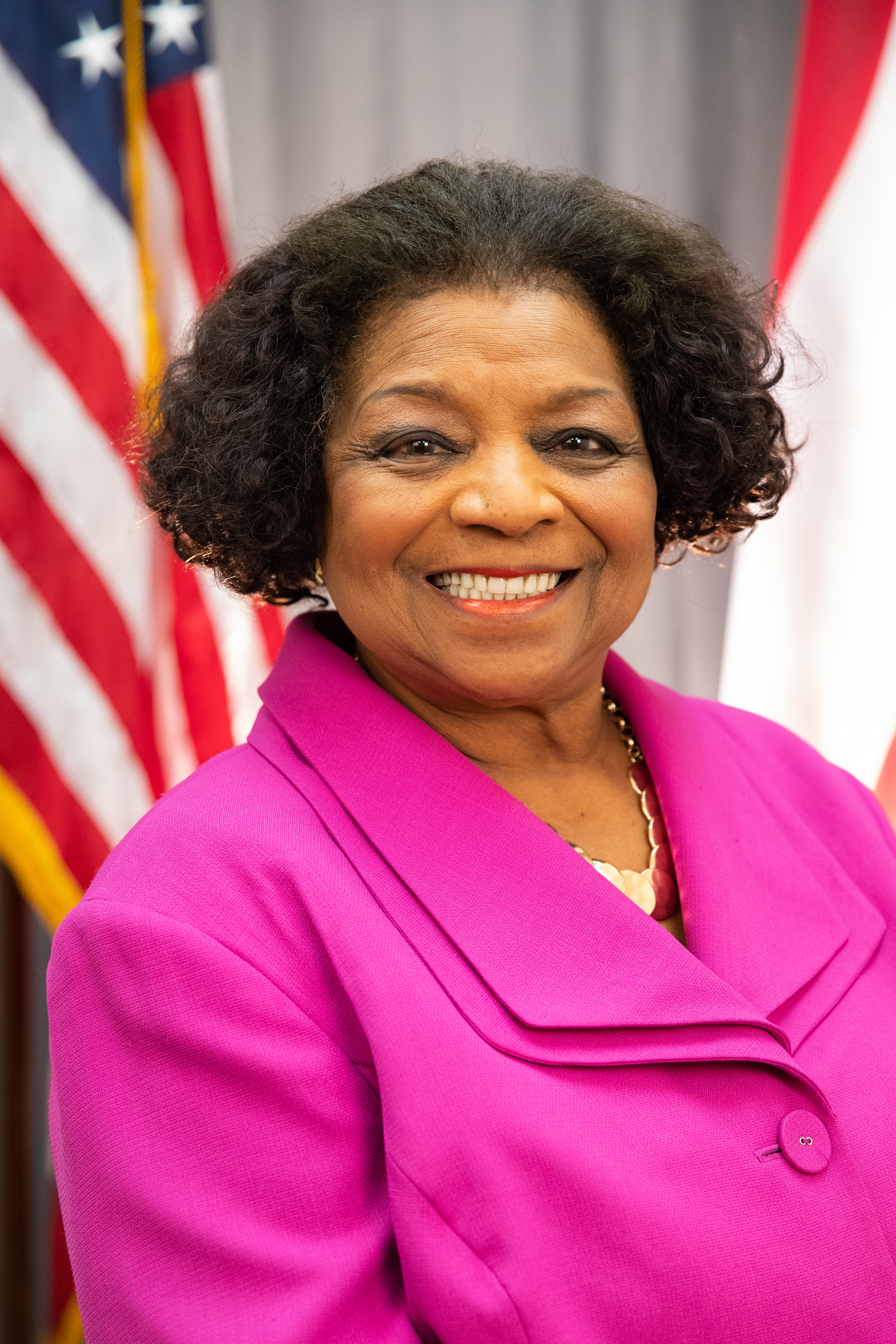
2025-2026 Regular Session Introduced by Gail Davenport and 3 co-sponsors

SB 328 enhances immigrant access to identification, limits law enforcement's role in immigration, and protects against discrimination in Florida.

Effective Date
0
WeVote Research Nonpartisan
Bill Summary · SB 328

Summary of SB 328: Immigration, Law Enforcement, and State-issued Identification

Bill Number: SB 328
Introduced: November 03, 2025
Status: Filed
Sponsor: Senator Smith
Classification: Bill
Subject Areas: Immigration, Law Enforcement, Civil Rights, Criminal Procedure, Motor Vehicles, Public Health, Labor

Purpose and Intent

SB 328 aims to address various aspects of immigration enforcement and the issuance of state identification in Florida. The bill seeks to establish a framework for the treatment of immigrants within the state, particularly concerning their access to identification and the role of law enforcement in immigration matters.

Key Provisions

The bill includes several significant amendments and provisions, including:

Establishment of the Office for New Americans

  • Creation: Establishes the Office for New Americans within the Department of Commerce.
  • Responsibilities: This office will oversee initiatives aimed at supporting immigrants in Florida.

Driver License and Identification Requirements

  • Proof of Identification: Requires applicants for a driver license to provide proof of a specified identification number.
  • Foreign Documents: Allows the use of additional documents issued by foreign governments to meet proof-of-identity requirements.
  • Validity Period: Driver licenses or temporary permits issued based on specified documents will be valid for a defined period.

Immigration Law Enforcement

  • Disclosure Restrictions: Prohibits the Department of Highway Safety and Motor Vehicles from disclosing certain information to agencies that primarily enforce immigration law, with exceptions.
  • Biometric Data: Deletes provisions requiring biometric data for identity verification in driver license applications.

Employment and Discrimination Provisions

  • E-Verify System: Removes the requirement for private employers to use the E-Verify system for employment verification.
  • Discrimination Protections: Establishes that discrimination based on immigration status is unlawful and prohibits discrimination against individuals holding driver licenses that do not comply with the REAL ID Act of 2005.

Law Enforcement Cooperation

  • Immigration Enforcement Activities: Prohibits local law enforcement from cooperating with federal immigration enforcement activities near schools, childcare facilities, and religious institutions.
  • Reporting Requirements: Mandates law enforcement agencies to report on their compliance with immigration enforcement protocols.

Repeals and Amendments

  • Repeals Existing Laws: Repeals provisions related to patient immigration status data collection and certain sanctuary policies.
  • Amendments to Existing Laws: Amends various sections of Florida Statutes to align with the new provisions regarding immigration and identification.

Impact

SB 328 is expected to affect:
- Immigrants: By providing clearer pathways for obtaining identification and protecting against discrimination.
- Law Enforcement Agencies: By changing their role in immigration enforcement and requiring new reporting and training protocols.
- Employers: By altering the requirements for verifying employee immigration status.

Procedural Aspects

  • Filing Date: The bill was filed on November 03, 2025, and is currently in the legislative process.
  • Implementation Timeline: Specific dates for the implementation of various provisions will be determined as the bill progresses through the legislative process.

This summary provides an overview of SB 328, highlighting its purpose, key provisions, and potential impacts on various stakeholders in Florida.

Compiled from official sources — confirm details with the bill’s official record.

Sign in to ask a question.