

WeVote

Bill

Bill

SB 2398

SPORTS WAGERING-AI RESTRICTION

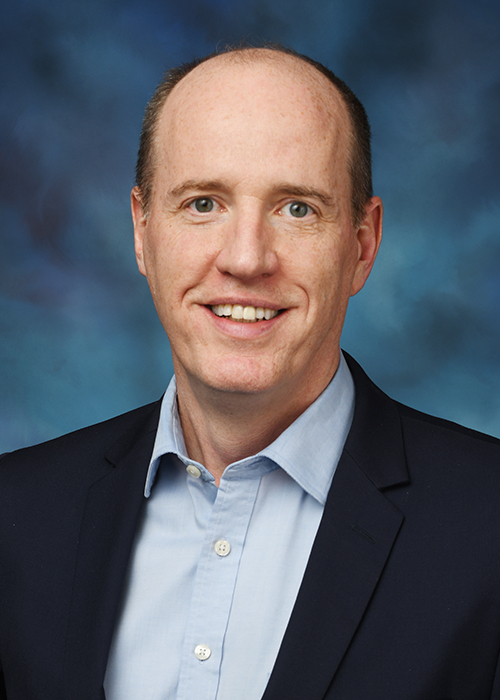
104th Regular Session Introduced by Bill Cunningham and 2 co-sponsors

Illinois bill SB 2398 would prohibit artificial intelligence use in sports wagering to prevent algorithmic betting advantages and protect gambling integrity.

Added as Co-Sponsor Sen. David Koehler
0
WeVote Research Nonpartisan
Bill Summary · SB 2398

Legislative bill overview

SB 2398 would restrict the use of artificial intelligence in sports wagering operations within Illinois. The bill appears designed to prevent AI-driven betting systems, algorithms, or automated decision-making tools from being deployed in legal sports gambling contexts. Specific prohibitions and enforcement mechanisms would be defined within the legislation.

Why is this important

Sports wagering generates significant tax revenue for Illinois and is a rapidly growing industry. As AI betting tools become more sophisticated, they could create unfair competitive advantages, manipulate odds, disadvantage individual bettors, or undermine the integrity of sports themselves. This bill represents an early legislative attempt to establish guardrails around emerging technology in the gambling sector.

Potential points of contention

  • Industry impact: Sports wagering operators may argue AI restrictions limit their operational efficiency, competitiveness, or profitability, potentially reducing tax revenue to the state
  • Definition and scope: The bill's language may be unclear about what constitutes prohibited "AI"—does it cover predictive analytics, odds-setting algorithms, fraud detection, or all automated systems?
  • Enforcement challenges: Determining whether operators are using restricted AI technology and enforcing compliance could prove technically difficult and resource-intensive for regulators
  • Consumer protection vs. innovation trade-off: Restrictions might protect bettors from algorithmic manipulation but could also prevent legitimate beneficial uses of AI in responsible gambling tools

Compiled from official sources — confirm details with the bill’s official record.

Sign in to ask a question.