

WeVote

Bill

Bill

HB 4863

SPEECH LANGUAGE CONTINUING ED

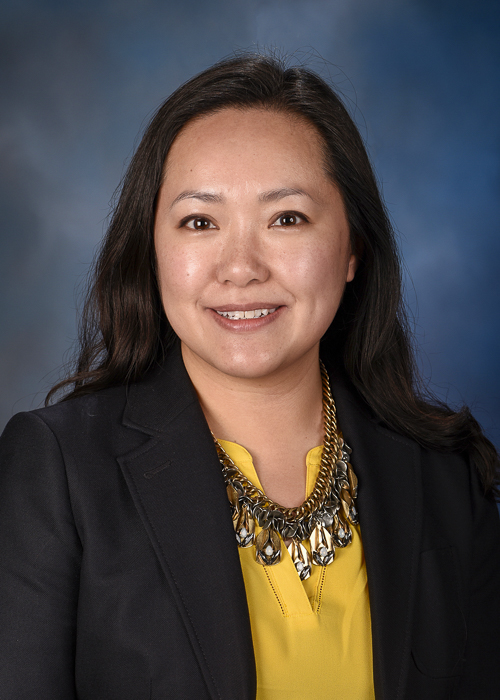
104th Regular Session Introduced by Janet Yang Rohr

The bill requires Illinois speech-language pathologists and assistants to complete approved continuing education tied to licensure renewal to ensure ongoing competency and current

0
WeVote Research Nonpartisan
Bill Summary · HB 4863

Overview

HB 4863 (104th Illinois General Assembly) addresses continuing education requirements for speech-language pathologists and speech-language pathology assistants. The bill adds specifics about required professional development, supervision, and renewal processes to ensure ongoing competency in the field. Co-sponsor: Janet Yang Rohr.

Purpose and intent

  • To establish clear continuing education (CE) requirements for licensed speech-language pathologists (SLPs) and speech-language pathology assistants (SLPAs) practicing in Illinois.
  • To promote ongoing professional development and ensure practitioners stay current with evidence-based practices, ethical standards, and emerging techniques in speech-language pathology.

Key provisions and changes

  • Continuing Education Requirements

    • Specifies the number of CE hours required within a renewal period (e.g., annually or every license renewal cycle—exact hours to be confirmed in the text).
    • Outlines acceptable CE activities (e.g., approved coursework, seminars, workshops, webinars, and professional conferences).
    • Requires CE activities to be relevant to the licensee’s scope of practice (SLPs and SLPAs) and aligned with current standards of care.
  • Accreditation and Approval

    • Establishes criteria for CE providers and courses to be deemed acceptable for license renewal.
    • May require CE sponsors to maintain records or provide documentation of attendance and content.
  • Renewal Process

    • Links CE compliance to license renewal, including reporting requirements for licensees.
    • Sets deadlines for CE completion and submission of verification materials.
    • Provides possible exemptions or waivers (e.g., for prolonged illness, active military duty) and the process to obtain them.
  • Supervision and Practice Standards

    • Addresses supervisory requirements for SLPAs, including the frequency and model of supervision during CE activities related to practice.
  • Enforcement and Penalties

    • Outlines consequences for lapse in CE requirements, such as renewal denial, license suspension, or other disciplinary measures.
    • Sets up a mechanism for auditing CE compliance.

Who is affected

  • Licensed speech-language pathologists (SLPs) practicing in Illinois.
  • Licensed speech-language pathology assistants (SLPAs) practicing under supervision.
  • CE providers and sponsors delivering approved coursework relevant to speech-language pathology.
  • Employers and supervised practice sites responsible for ensuring staff compliance with CE requirements.

Procedural and timeline aspects

  • The bill specifies a renewal cycle tied to professional licenses and the timing for CE completion.
  • It likely includes an administrative framework for tracking CE credits, reporting by licensees, and potential audits.
  • Effective dates: when CE requirements take effect (e.g., upon passage or specific future date) and any phased implementation if applicable.

Potential impact

  • Enhances ongoing competency and up-to-date clinical practices among Illinois SLPs and SLPAs.
  • Creates standardized expectations for CE providers and more consistent renewal processes.
  • May affect license renewal timelines and administrative workload for both licensees and the licensing board.
  • Could influence the availability and selection of CE activities based on approved content.

Note: Details such as the exact number of CE hours, approved activities, and specific renewal dates should be verified from the bill text for precise compliance requirements.

Compiled from official sources — confirm details with the bill’s official record.

Sign in to ask a question.