

WeVote

Bill

Bill

A 4969

Specifies methods of calculating deposits and reserves for the aggregate trust fund and reserves of the state insurance fund

2025 Regular Session Introduced by Harry Bronson and 5 co-sponsors

Empowers canvassing boards to count ballots when voter intent is clear, even if marks fall outside the square; directs uniform statewide guidelines to reduce invalid ballots.

REFERRED TO LABOR
0
WeVote Research Nonpartisan
Bill Summary · A 4969

Summary — A4969

Title: Specifies methods of calculating deposits and reserves for the aggregate trust fund and reserves of the state insurance fund
(Note: bill text concerns counting of cast ballots; statutory amendments to R.S.19:16-3 and R.S.19:16-4)

Purpose

A4969 clarifies and codifies how district and county boards of elections should assess ballot marks when canvassing and counting votes. The bill emphasizes that the initial determination of whether a ballot should be counted or rejected rests with the district board canvassing the ballot or the county board of elections, and it provides standards for assessing voter intent when marks fall outside the designated squares.

Key provisions

  • Amends R.S.19:16-3 and R.S.19:16-4 to reaffirm boards’ discretion when canvassing ballots and to clarify how marks are to be evaluated.
  • Specifies that a board may count a vote when a mark, sign, erasure, designation, or other device appears on a ballot unless the board (or, in recounts, a judge/officer) is satisfied the mark was intended to identify or distinguish the ballot.
  • Requires boards to consider whether a mark is “reasonably close to the square that would ordinarily be marked” when determining if it indicates voter intent for a candidate or public question.
  • Provides that a ballot may be counted if a voter writes a candidate’s name reasonably close to the office position and makes an appropriate mark, or writes “Yes” reasonably close to the name.
  • Retains existing provisions treating wholly blank ballots, overvotes, and other clearly void ballots as null and void.
  • Directs the Secretary of State, in consultation with county boards, to establish uniform statewide guidelines to assist county and district boards in assessing the validity of marks and votes on ballots.

Who is affected

  • District boards of elections and county boards of elections (primary responsibility for initial determinations).
  • Judges and officials conducting recounts (may still make determinations during judicial review).
  • Secretary of State (required to issue uniform guidelines).
  • Voters and candidates — potentially fewer ballots invalidated when voter intent is clear.

Procedural / timeline highlights

  • Introduced: 10/21/2024 (Assembly)
  • Assembly committee reported favorably: 12/12/2024; Assembly floor amendment passed: 12/19/2024
  • Passed Assembly: 5/22/2025 (76–2–0)
  • Received in Senate: 5/29/2025; Passed Senate: 6/30/2025 (37–0); substituted for S3816 (1R)
  • Approved into law: P.L.2025, c.150 (10/01/2025)
  • Effective: immediately upon enactment

Sponsors and related legislation

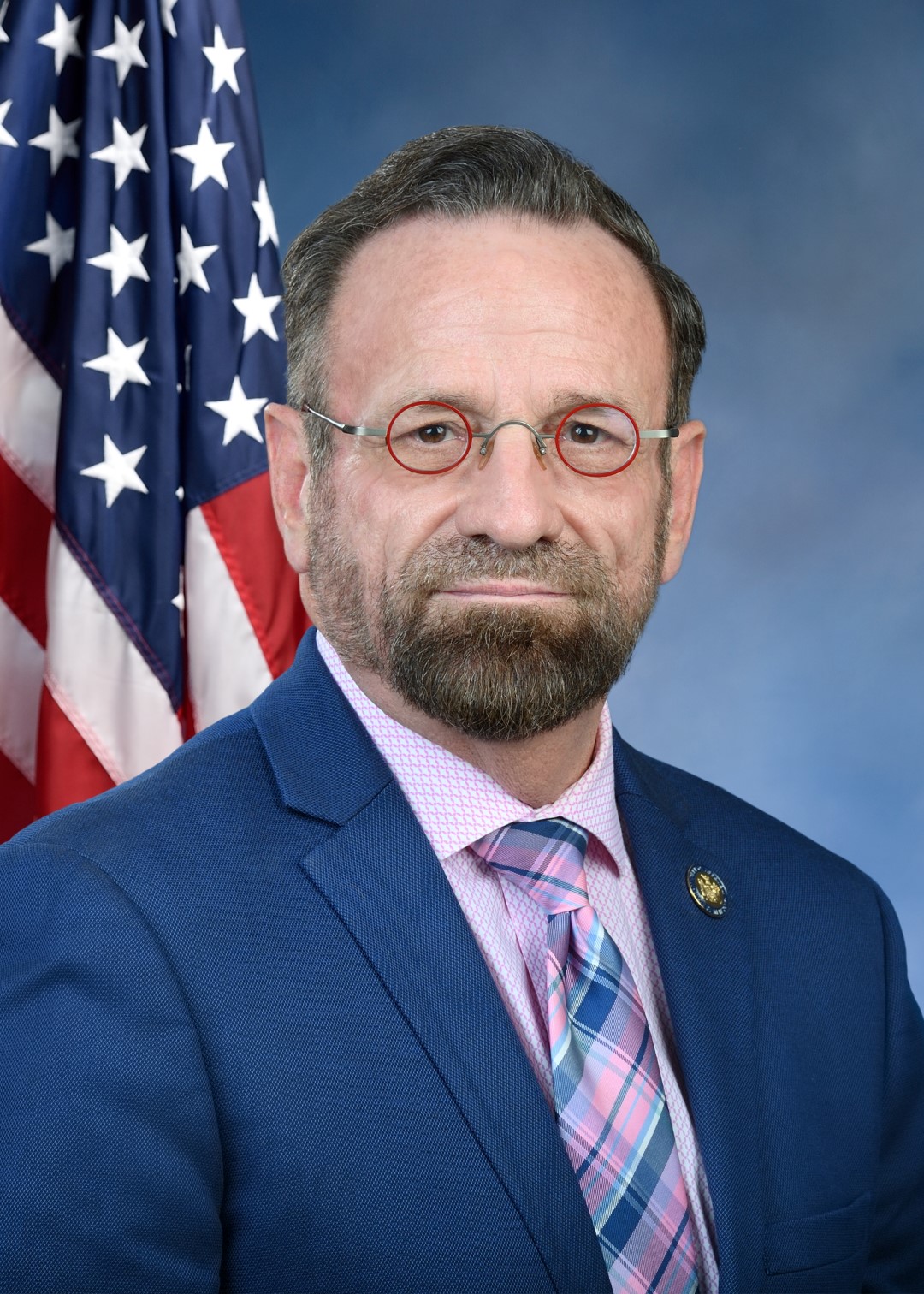
Primary sponsor: Assemblyman Harry B. Bronson. Cosponsors include Jonathan Jacobson, MaryJane Shimsky, Phil Steck, Stefani Zinerman, and Yudelka Tapia. Companion/related bills: S3816, S3947; prior-session bills A7505, A8936.

Potential impacts

The bill standardizes and broadens the discretion of canvassing boards to interpret voter intent, likely reducing the number of ballots invalidated solely because marks fall outside a square. The Secretary of State’s uniform guidelines aim to reduce inter-county variation in canvassing decisions. Courts retain authority in recounts, but the bill emphasizes the primacy of boards’ initial canvass determinations.

Compiled from official sources — confirm details with the bill’s official record.

Sign in to ask a question.