

WeVote

Bill

Bill

AB 2541

Specialized license plates: The Lowrider.

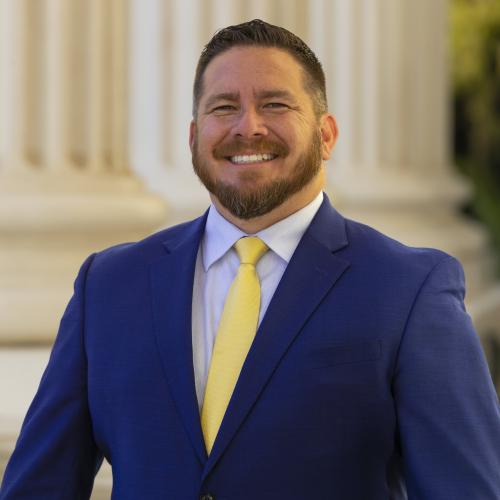
2025-2026 Regular Session Introduced by Juan Alanis and 30 co-sponsors

The Lowrider License Plate Program would fund lowrider arts and culture projects through specialized plates, only if 7,500 paid applications are received by Jan 1, 2032.

From committee: Do pass and re-refer to Com. on APPR. with recommendation: To Consent Calendar. (Ayes 12. Noes 0.) (June 30). Re-referred to Com. on APPR.
0
WeVote Research Nonpartisan
Bill Summary · AB 2541

Overview

AB 2541 (2025-2026, California) would establish a dedicated Lowrider License Plate Program, design and issue specialized license plates reflecting lowrider culture, and channel related revenues to the Arts Council for projects supporting lowrider arts, cultural preservation, youth engagement, and community events. The program would only move forward if the Department of Motor Vehicles (DMV) receives at least 7,500 paid applications by January 1, 2032. The Arts Council would sponsor the plate and oversee eligible spending consistent with the bill’s fund.

Main purpose and intent

  • Honor and preserve lowrider culture as a distinctive California cultural heritage.
  • Create a funding stream for lowrider arts, cultural preservation, education, and community programs through a specialized license plate initiative.
  • Ensure plate readability and compliance with state standards through coordination among DMV, the Arts Council, and the California Highway Patrol (CHP).

Key provisions and changes

  • New program: The Lowrider License Plate Program (Vehicle Code sections 5073 and 5167 to be added).
  • Sponsorship: The Arts Council would apply to the DMV to sponsor The Lowrider specialized license plate, with the DMV issuing the plates if the Arts Council meets statutory requirements.
  • Design and readability: DMV, in consultation with the Arts Council, would design the plates to reflect lowrider culture and heritage; CHP would advise on potential readability issues.
  • Fees and funding:
    • Additional fees for plate issuance and renewals:
    • Original issuance: $50
    • Renewal: $40
    • Transfer: $15
    • Substitute replacement: $35 per plate
    • Renewal-optional: $38 (when renewal is not required due to status exemptions)
    • After deducting DMV administrative costs, remaining revenues would be deposited into the Lowrider Arts and Culture Fund (established in the state treasury).
    • Funds available upon legislative appropriation to support lowrider arts, cultural preservation, youth programs, public exhibitions, community events, and educational initiatives.
  • Condition to establish: The DMV shall not establish the Lowrider Plate Program until at least 7,500 paid applications are received, with a deadline of January 1, 2032. If the threshold is not met, all collected funds must be refunded.
  • Allocation priorities: Within the Lowrider Arts and Culture Fund, priorities include nonprofit entities focused on the lowrider community and Latino culture.
  • Readability safeguards: The design must conform to state readability and reflectivity standards; CHP collaboration ensures plate legibility.

Who would be affected

  • Vehicle owners who opt for The Lowrider License Plate (on original issuance, renewal, transfer, or replacement).
  • The Arts Council, which would sponsor the plate program and receive funds for eligible projects.
  • DMV and CHP, which would collaborate on design, readability, and implementation.
  • Communities connected to lowrider culture, including artists, youth, cultural organizations, and public exhibitors benefiting from funded programs.

Procedural and timeline aspects

  • Threshold trigger: Program only proceeds after DMV receives 7,500 paid applications.
  • Deadline to meet threshold: January 1, 2032.
  • If threshold not met by deadline: refund of all collected fees/deposits to applicants.
  • Implementation steps: DMV issues plates in coordination with Arts Council; design approval subject to DMV and Arts Council; CHP evaluates readability during design process.
  • Revenue use: funds deposited to Lowrider Arts and Culture Fund, then appropriated by Legislature to support specified arts and cultural activities.

Context and alignment

  • Aligns with CA’s broader approach to specialized plates that support environmental, historic, and arts initiatives, while emphasizing California’s diverse cultural history (notably lowrider culture within Latino communities).
  • Builds on existing frameworks for plate programs (e.g., environmental and legacy plates) and uses a similar cost structure and fund-diversion model, with a dedicated fund for lowrider-related programming.

If you’d like, I can compare AB 2541 to other California plate programs (costs, funding mechanisms, timelines) or provide a plain-language FAQ for readers.

Compiled from official sources — confirm details with the bill’s official record.

Sign in to ask a question.