Overview
- Bill: H.R. 8886 (SMART Community Policing Act)
- Session: 119th Congress
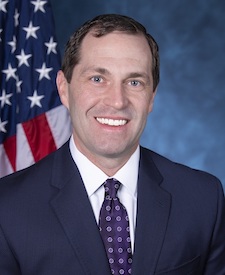
- Introduced: May 19, 2026 by Rep. Jason Crow (co-sponsor)
- Purpose: Amend the Omnibus Crime Control and Safe Streets Act of 1968 to expand funding for innovations in community policing, with a focus on mental health care, crisis response, and coordinated social services.
Main purpose and intent
- Strengthen community policing programs to:
- De-escalate interactions between law enforcement and non-violent individuals experiencing crisis or trauma related to mental health, poverty, homelessness, or substance use disorders.
- Build collaborative partnerships to connect individuals with mental health services and other community resources.
- Improve outcomes for both communities and officers by ensuring individuals receive appropriate treatment and support.
Key provisions and changes
Expanded authorized uses of COPS funding (amendment to 34 U.S.C. 10381(b))
The bill adds new permissible uses of COPS funding to support:
Mobile crisis team programs (paragraphs 26)
- Hire skilled mental health professionals and paramedics to:
- Respond to certain 911 calls (at the request of law enforcement) and direct community requests.
- Stabilize encounters between officers and individuals in mental/behavioral health crises.
- Take responsibility for securing mental health services for individuals in crisis who may need further evaluation and treatment.
- Train law enforcement officers partnering with mental health professionals and paramedics.
- Use mobile units to facilitate coordinated responses to mental/behavioral health crises.
- Hire additional personnel as needed.
Co-responder programs (paragraphs 27)
- Pair a trained law enforcement officer with a behavioral health clinician or paramedic to:
- De-escalate mental health crises.
- Connect individuals to appropriate mental health services.
- Provide effective and efficient crisis responses.
- Allow for additional personnel (including officers and case managers) as part of the program.
Case management and outreach teams (paragraphs 28)
- Follow up with individuals in mental/behavioral health crises to:
- Connect them with mental health services and community resources.
- Help them adhere to treatment plans and meet responsibilities (work, school, training).
- Develop targeted solutions for individuals who frequently use emergency services to reduce repeated crisis interactions with law enforcement and health professionals.
- These teams can be established as part of a mobile crisis program, a co-responder program, or operate as independent teams.
Who would be affected
- Law enforcement agencies receiving Community Oriented Policing Services (COPS) funding.
- Mental health professionals, paramedics, case managers, and other personnel involved in crisis response and mobile/partners programs.
- Individuals experiencing mental health or behavioral health crises, including those who frequently interact with emergency services.
- Communities seeking improved crisis response, de-escalation, and access to mental health services.
Operational and timeline considerations
- The bill amends existing authority to use COPS funds (Section 1701(b) of the Omnibus Crime Control and Safe Streets Act) to explicitly authorize:
- Mobile crisis teams.
- Co-responder models pairing law enforcement with behavioral health professionals.
- Case management and outreach teams.
- It outlines program components (staffing, training, mobile units, partnerships, and follow-up services) but does not specify funding levels, grant duration, or implementation timelines. Those details would likely be determined during later appropriations or program guidance.
Potential impact and considerations
Positive impacts:
- Potential reduction in confrontational incidents and improved safety for both civilians and officers.
- Increased access to mental health care and social services for individuals in crisis.
- Better long-term outcomes through treatment adherence and reduced repeated emergency interventions.
Considerations:
- Requires coordination across law enforcement, mental health providers, and community resources.
- Implementation would depend on funding availability and local capacity.
- Evaluation would be needed to measure de-escalation success, service linkage, and reduction in emergency service usage.
Summary
The SMART Community Policing Act seeks to reorient and expand the use of COPS funds to support mobile crisis teams, co-responder models, and case management/outreach programs. By integrating mental health professionals and paramedics with law enforcement, the bill aims to de-escalate crises, improve access to services, and deliver sustainable support for individuals in crisis, ultimately aiming for safer communities and more effective policing.



Start the Conversation
Be the first to share your thoughts on this petition. Your voice matters!