

WeVote

Bill

Bill

HR 5801

Shutdown Fairness Act

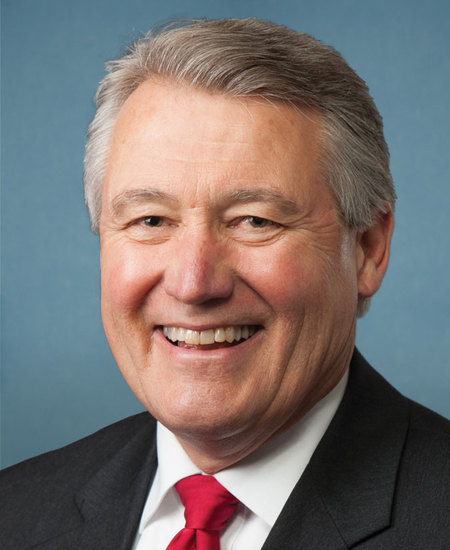
119th Congress Introduced by Rick Allen and 15 co-sponsors

The Shutdown Fairness Act prohibits unpaid federal work during shutdowns, guarantees back pay, and establishes an emergency fund to protect employees' financial security.

Introduced in House
0
WeVote Research Nonpartisan
Bill Summary · HR 5801

Summary of H.R. 5801 - Shutdown Fairness Act

Overview

The Shutdown Fairness Act is a bill introduced in the U.S. House of Representatives on October 21, 2025. The bill aims to protect federal employees from the financial hardship caused by government shutdowns.

Key Provisions

  • Prohibits federal agencies from requiring federal employees to work without pay during a government shutdown.
  • Guarantees that all federal employees affected by a shutdown will receive full back pay once the shutdown ends.
  • Establishes a Shutdown Hardship Fund to provide emergency financial assistance to federal employees struggling with costs during a shutdown.
  • Requires the Office of Personnel Management to develop standardized shutdown contingency plans for all federal agencies.

Affected Parties

  • Current federal government employees, including those in essential and non-essential roles
  • Federal contractors and vendors who rely on government work and funding
  • Families and households that depend on federal employee incomes

Procedural Aspects

  • The bill has two companion bills in the Senate - S. 3012 and S. 3001.
  • If passed, the Shutdown Fairness Act would take effect immediately upon being signed into law.
  • The bill has been referred to the House Committee on Oversight and Reform for further consideration.

Overall, the Shutdown Fairness Act is an attempt to mitigate the significant financial hardships that federal employees and their families face during government shutdowns. By prohibiting unpaid work, guaranteeing back pay, and establishing emergency support, the bill aims to provide stability and security for the federal workforce.

Compiled from official sources — confirm details with the bill’s official record.

Sign in to ask a question.