

WeVote

Bill

Bill

SB 1602

SEXUAL ASSAULT TREATMENT

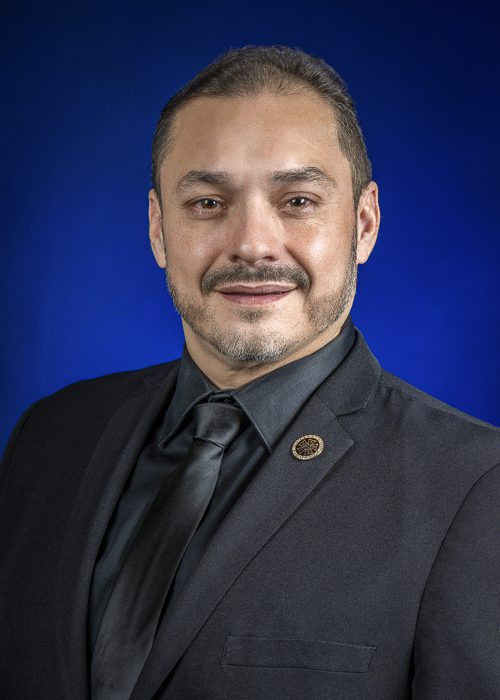
104th Regular Session Introduced by Jaime Andrade and 65 co-sponsors

Expands and clarifies pediatric medical-forensic providers and facilities to improve timely exams and follow-up for child sexual assault survivors.

Public Act . . . . . . . . . 104-0386
0
WeVote Research Nonpartisan
Bill Summary · SB 1602

Summary — SB 1602: Sexual Assault Survivors Emergency Treatment Act (Public Act 104‑0386)

Status: Enacted (Public Act 104‑0386)
Governor approved: August 15, 2025 — Effective date: January 1, 2026

Purpose

SB 1602 amends Illinois’ Sexual Assault Survivors Emergency Treatment Act to clarify key definitions (including a time-based definition of “acute sexual assault”), update who may provide and approve medical‑forensic services for children, modernize provider and facility standards, and adjust administrative and enforcement provisions. The changes are intended to improve access to timely, appropriate medical‑forensic examinations and follow‑up care—particularly for pediatric survivors.

Key provisions and changes

  • Defines “acute sexual assault” by time since the assault:
    • For patients under 13: within the past 72 hours.
    • For patients 13 or older: within the past 168 hours (7 days).
  • Expands and clarifies definitions for facilities and providers:
    • Creates/clarifies the category “approved pediatric health care facility” — non‑hospital sites that may provide medical‑forensic services for survivors under 18 when approved by the Department of Public Health (DPH).
    • Defines “qualified medical provider” to include board‑certified or board‑eligible child abuse pediatricians, sexual assault nurse examiners (SANEs), and sexual assault forensic examiners, and requires access to photo‑documentation tools and participation in peer review.
  • Allows approved pediatric facilities to participate in areawide sexual assault treatment plans so communities can ensure local access to pediatric forensic services.
  • Clarifies scope of “medical forensic (examination) services” — including history taking, anogenital exam, evidence assessment/collection using the Illinois State Police Sexual Assault Evidence Collection Kit (when appropriate), assessment for drug/alcohol‑facilitated assault, STI/HIV and pregnancy risk evaluation, photo documentation, discharge planning, and follow‑up care.
  • Permits evidence collection in some non‑acute cases: the Act is not intended to prohibit a qualified medical provider from offering the Illinois evidence kit to a survivor presenting with a non‑acute complaint if there is a compelling reason for collection or upon the survivor’s request.
  • Administrative and enforcement updates:
    • Revises agency references and administrative responsibilities (including rulemaking and approvals by DPH).
    • Adds a Regulation Fund entry in the State Finance Act to support administrative/regulatory activity (Sec. 5.1030).
  • Miscellaneous: updates to definitions and statutory language throughout the Act (photo documentation and record handling standards; provider training/credential references; coordination with law enforcement).

Who is affected

  • Sexual assault survivors (particularly pediatric survivors) — changes influence access to timely forensic services and follow‑up care.
  • Hospitals, approved pediatric health care facilities, and outpatient clinics — new approval, planning, and service responsibilities.
  • Health care professionals who perform forensic exams (physicians, SANEs, forensic examiners).
  • Department of Public Health — expanded approval, oversight, and rulemaking duties.
  • Law enforcement and Illinois State Police — continued role in evidence collection standards and kit use.

Implementation / timeline

  • Passed both legislative chambers in spring 2025; enrolled and transmitted to the Governor (June 2025).
  • Governor approved Aug 15, 2025. Public Act 104‑0386 becomes effective January 1, 2026.
  • DPH will need to adopt or update rules, approval processes, and any forms or guidance to implement the amended Act.

Notes / Considerations

  • The Act strengthens standards for pediatric forensic access by authorizing approved pediatric facilities and clarifying provider qualifications; actual local impact will depend on DPH rulemaking, facility approvals, provider training availability, and local areawide planning.
  • The legislation preserves survivor choice by permitting evidence collection in certain non‑acute situations (survivor request or compelling reason).

Compiled from official sources — confirm details with the bill’s official record.

Sign in to ask a question.