

WeVote

Bill

Bill

HB 3492

SEX OFFENDER REG-PROCEDURES

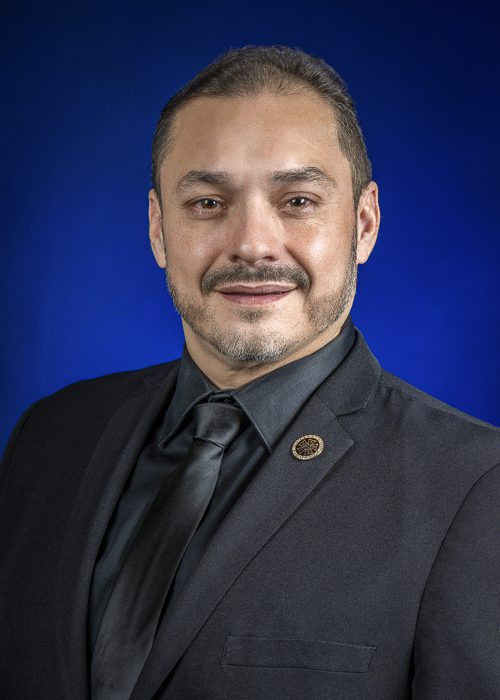
104th Regular Session Introduced by Jaime Andrade and 5 co-sponsors

HB 3492 allows Huntington and South Charleston to levy special excise taxes to fund local economic development projects, boosting growth and infrastructure.

Public Act . . . . . . . . . 104-0449
0
WeVote Research Nonpartisan
Bill Summary · HB 3492

Summary of House Bill 3492

Bill Information

  • Bill Number: HB 3492
  • Title: Relating to municipal economic opportunity development districts
  • Status: Chapter 188, Acts, Regular Session, 2025
  • Introduced: February 07, 2025
  • Classification: Bill
  • Subject: Municipalities

Purpose and Intent

House Bill 3492 aims to authorize specific municipalities in West Virginia to levy a special district excise tax. This tax is intended to support economic development initiatives within designated economic opportunity development districts. The bill specifically targets the City of Huntington and the City of South Charleston, allowing them to generate additional revenue for local economic projects.

Key Provisions

  1. Authorization to Levy Taxes:

    • The bill amends §8-38-9 of the Code of West Virginia, 1931, to grant the City of Huntington the authority to levy a special district excise tax on sales of tangible personal property and services within its economic opportunity development district, which encompasses 146 acres of land.
    • Similarly, the City of South Charleston is authorized to levy a special district excise tax for the South Charleston Park Place Economic Opportunity Development District, which covers up to 2,100 contiguous acres.
  2. Legislative Oversight:

    • Municipalities do not have inherent authority to levy taxes; they can only do so if expressly authorized by the Legislature. This bill ensures that each proposed economic development district is evaluated on its unique characteristics before tax authority is granted.
  3. Tax Revenue Use:

    • The revenue generated from these excise taxes is intended to support economic development projects within the respective districts, potentially enhancing local infrastructure and services.

Impact

  • Affected Entities:

    • The primary beneficiaries of this legislation are the municipalities of Huntington and South Charleston, which will gain the ability to fund local economic initiatives through the newly authorized taxes.
    • Local businesses operating within the designated districts may experience changes in tax obligations, which could influence their operational costs and pricing strategies.
  • Economic Development:

    • By enabling these municipalities to generate additional revenue, the bill aims to stimulate economic growth, attract new businesses, and improve public services within the districts.

Procedural Aspects

  • Legislative Journey:

    • The bill was introduced on February 7, 2025, and underwent several readings and amendments before being passed and signed into law on April 30, 2025.
    • It received support from various delegates and was referred to the Committee on Finance for further consideration.
  • Effective Date:

    • The provisions of HB 3492 are effective immediately upon passage, allowing municipalities to begin implementing the special district excise taxes as soon as possible.

Conclusion

House Bill 3492 represents a significant step in empowering West Virginia municipalities to enhance their economic development capabilities through localized tax authority. By allowing the City of Huntington and the City of South Charleston to levy special district excise taxes, the bill aims to foster economic growth and improve local infrastructure, ultimately benefiting the communities involved.

Compiled from official sources — confirm details with the bill’s official record.

Sign in to ask a question.