

WeVote

Bill

Bill

HB 1072

Sewage sludge; local authority to test and monitor land application within its political boundaries.

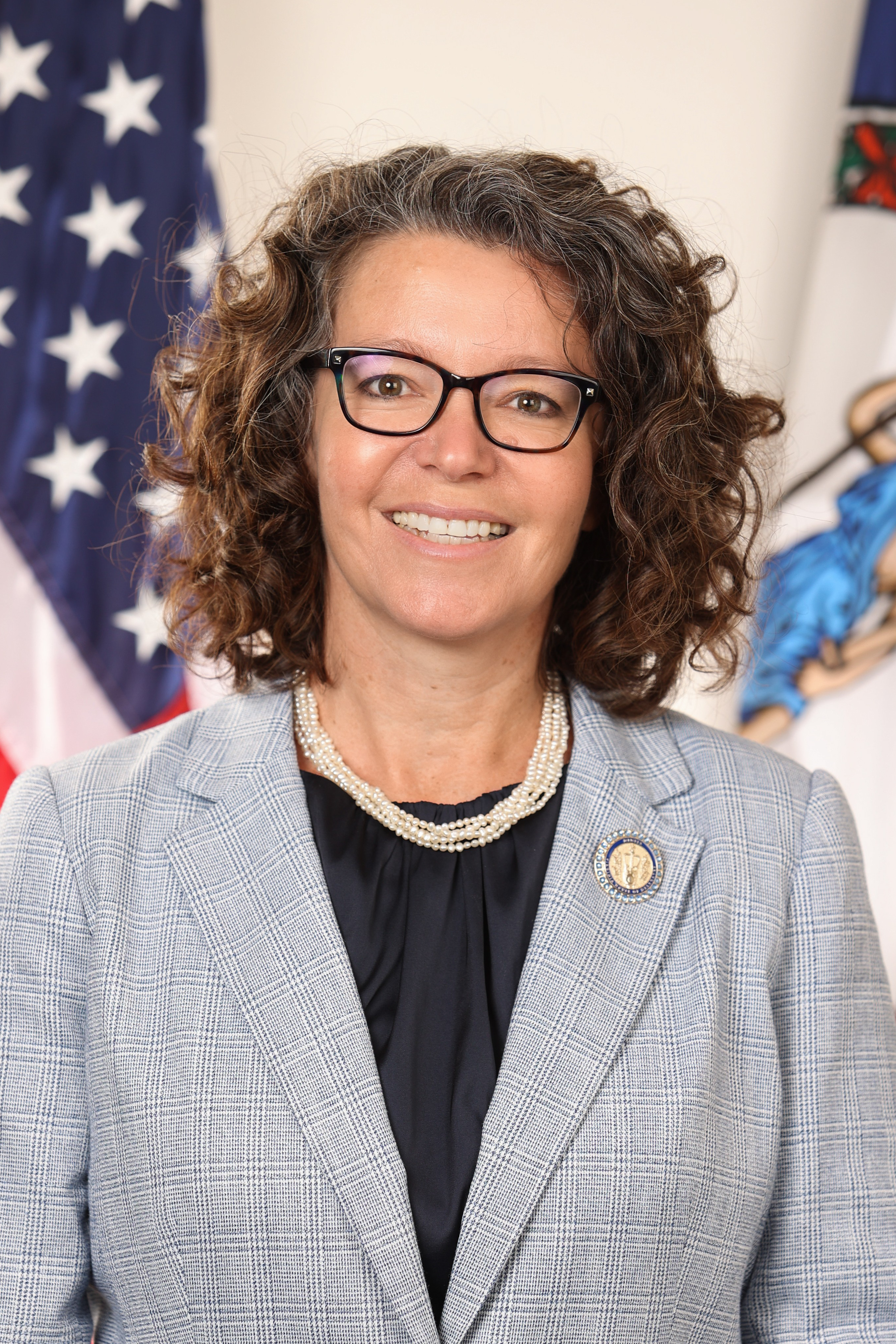
2026 Regular Session Introduced by Amy Laufer and 1 co-sponsor

Authorizes Virginia localities to independently test and monitor sewage sludge quality within their borders, enabling local contamination detection before agricultural application.

Approved by Governor-Chapter 933 (effective 7/1/2026)
0
WeVote Research Nonpartisan
Bill Summary · HB 1072

Legislative bill overview

HB 1072 grants local authorities in Virginia the power to independently test and monitor sewage sludge within their jurisdictional boundaries. This legislation would enable municipalities to conduct their own quality assurance testing rather than relying solely on state or federal oversight, particularly relevant to areas near the Chesapeake Bay where sludge disposal is a significant environmental concern.

Why is this important

Sewage sludge (biosolids) is a byproduct of wastewater treatment that municipalities often apply to agricultural land as fertilizer. Local testing authority could help communities identify contamination issues—including heavy metals, pharmaceuticals, or pathogens—before sludge is applied to crops or pastures in their regions. This is especially critical for the Chesapeake Bay watershed, where nutrient runoff and contaminants threaten water quality and fisheries.

Potential points of contention

  • Regulatory duplication and cost: Local testing programs would likely duplicate existing state/federal EPA oversight, increasing municipal expenses without clear evidence that current monitoring is inadequate
  • Technical capacity concerns: Smaller rural localities may lack laboratory facilities and expertise to conduct rigorous sludge testing, potentially creating inconsistent standards across the state
  • Agricultural industry opposition: Farmers and biosolids processors may resist stricter local monitoring if it restricts sludge application or increases compliance costs

Compiled from official sources — confirm details with the bill’s official record.

Sign in to ask a question.