

WeVote

Bill

Bill

SB 1606

Serving as Personal Representative after a Felony Conviction

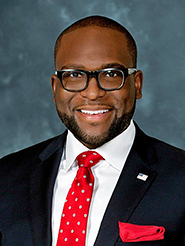
2026 Regular Session Introduced by Shev Jones

SB 1606 eases restrictions preventing felons from serving as personal representatives managing deceased individuals' estates in Florida.

Died in Judiciary
0
WeVote Research Nonpartisan
Bill Summary · SB 1606

Legislative bill overview

SB 1606 modifies Florida law regarding eligibility to serve as a personal representative (executor) of an estate after a felony conviction. Currently, Florida law may restrict individuals with felony convictions from serving in this fiduciary capacity. The bill would alter these restrictions, though the specific parameters of the change are not detailed in the filing information available.

Why is this important

Personal representatives manage deceased individuals' estates, handling assets, paying debts, and distributing inheritances—responsibilities requiring legal authority and public trust. Changes to felony conviction restrictions affect both rehabilitation policy and estate administration, potentially influencing who can manage significant financial matters and what protections exist for beneficiaries and creditors.

Potential points of contention

  • Public trust vs. rehabilitation: Balancing whether individuals with felony convictions should have access to fiduciary roles that control other people's assets against principles of criminal rehabilitation and second chances
  • Type of felony relevance: Whether all felony convictions should trigger the same restrictions or if financial crimes (fraud, embezzlement) should be treated differently than unrelated felonies
  • Beneficiary and creditor protection: Concerns that expanded eligibility could increase vulnerability to exploitation or mismanagement of estates by individuals with criminal histories

Compiled from official sources — confirm details with the bill’s official record.

Sign in to ask a question.