

WeVote

Bill

Bill

HR 7116

SEPSIS Act

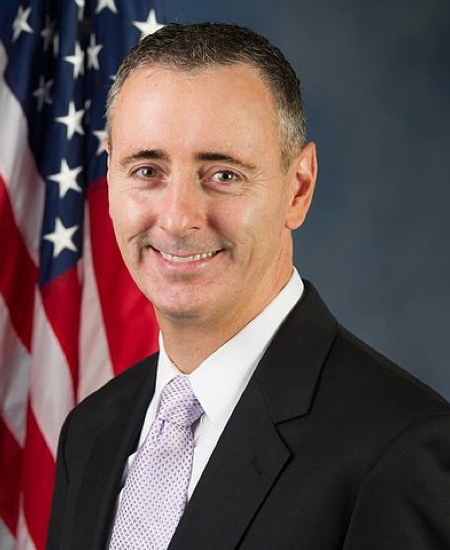
119th Congress Introduced by Brian Fitzpatrick and 4 co-sponsors

Establish federal sepsis programs led by CDC to educate, measure outcomes, and improve hospital practices, with funding and an optional Sepsis Honor Roll.

Introduced in House
0
WeVote Research Nonpartisan
Bill Summary · HR 7116

SEPSIS Act (H.R. 7116) – Summary

What this bill aims to do

  • Establish federal programs and activities to reduce sepsis rates in the United States.
  • Promote education, data collection, and measurement of sepsis outcomes; encourage hospital adoption of best practices; and create a voluntary recognition program for hospitals with strong sepsis programs.
  • Authorize funding to support these initiatives through 2030.

Key provisions and changes

  • Title and Purpose
    • Official short title: Securing Enhanced Programs, Systems, and Initiatives for Sepsis Act (SEPSIS Act).
  • Findings (policy context)
    • Highlights the burden of sepsis: about 1.7 million cases annually and roughly 350,000 deaths per year in the U.S.
    • Emphasizes the need for increased federal research investment, workforce support, and evidence-based sepsis protocols.
    • Notes high hospital costs and readmission rates related to sepsis, with 80% of cases beginning outside hospitals.
    • Cites Rory’s Regulations in New York as a proven framework for improving outcomes through rapid recognition and treatment.
  • Creation of Sepsis Programs (new authorization under the Public Health Service Act)
    • Section 317W establishes a CDC-led sepsis team within the Department of Health and Human Services with these responsibilities:
    • Lead an education campaign on hospital sepsis best practices (aligned with CDC’s Hospital Sepsis Program Core Elements).
    • Improve data collection on pediatric sepsis.
    • Share information with CMS to help develop sepsis quality measures and inform payer-related efforts.
    • Update data elements used by interoperability frameworks (e.g., US Core Data for Interoperability) in coordination with relevant DHHS offices.
    • Facilitate DHHS-wide efforts to develop sepsis outcome measures.
    • Perform other sepsis-related activities as determined appropriate by the Director.
  • Reporting and Briefings
    • Development of Outcome Measures: Requires the Director to deliver a report within 1 year post-enactment on the development and implementation of sepsis outcome measures for adults and children, considering social and clinical determinants.
    • Annual Briefings: Beginning within 1 year of enactment and annually thereafter, the Director must brief Congress on:
    • Adoption of sepsis best practices by hospitals (via the CDC’s assessment tool and state reporting requirements).
    • Pediatric sepsis rates and reduction efforts; effectiveness of Hospital Sepsis Program Core Elements for pediatric outcomes.
    • Coordination of sepsis-reduction efforts across DHHS.
    • Evaluation of the Hospital Sepsis Program Core Elements’ impact on quality of care (in partnership with AHRQ).
    • Data sharing from the National Healthcare Safety Network with DHHS agencies.
    • Latest sepsis datasets provided to the Director by AHRQ.
  • Sepsis Honor Roll Program (voluntary recognition)
    • The Secretary may establish a voluntary program recognizing hospitals with effective or improving sepsis programs, focusing on early detection, treatment, and overall burden reduction.
    • Hospitals would be solicited to apply, and public benchmarks would guide selections for recognition.
  • Funding
    • Authorization of appropriations: $20,000,000 per fiscal year for 2026 through 2030 to support sepsis programs and activities described in the bill.

Who is affected

  • Hospitals and healthcare facilities: Encouraged to adopt and report sepsis best practices; eligible for recognition under the voluntary Sepsis Honor Roll.
  • Patients (adult and pediatric): Benefits from improved sepsis identification, treatment, and outcome measurement; potential reductions in mortality and severe complications.
  • Federal agencies: CDC leads the sepsis program; collaboration with CMS, AHRQ, and other DHHS entities to align data, measures, and reporting.
  • Researchers and public health workforce: Increased focus and funding for sepsis research and infection prevention workforces.

Procedural and timeline notes

  • Introduction and referral: H.R. 7116 introduced January 15, 2026, referred to the House Committee on Energy and Commerce.
  • Reporting timeline: Outcome measures report due within 1 year of enactment; annual briefings thereafter.
  • Funding horizon: Authorized appropriations of $20 million annually for 2026–2030.
  • Next steps: If enacted, the bill would amend Title III of the Public Health Service Act to establish the sepsis program and related activities.

Compiled from official sources — confirm details with the bill’s official record.

Sign in to ask a question.