Summary of HB4859 (104th General Assembly, Illinois)
Title: SCH CD-UNUSED FOOD SHARING
Jurisdiction: Illinois
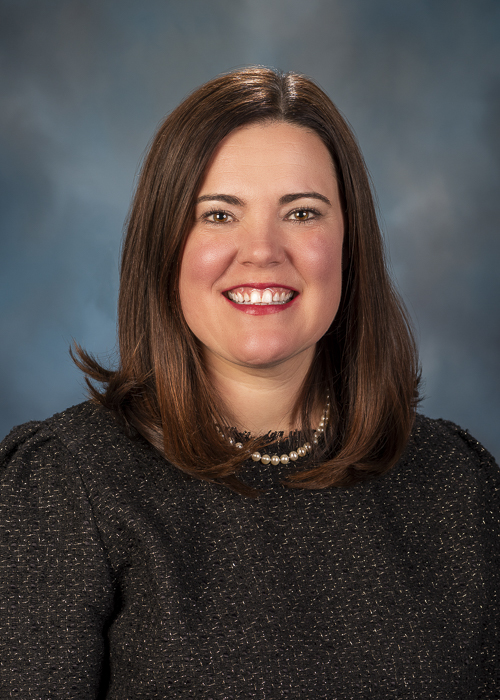
Proposed by: Rep. Janet Yang Rohr and several co-sponsors
Effective date: August 1, 2027
Purpose
- To require school districts to incorporate a plan for sharing unused food from school meal programs and to authorize the use of share tables as a means to implement that plan.
- The bill ties unused-food sharing to the district’s local wellness policy and aligns with federal nutrition program guidance to reduce food waste and address child food insecurity.
Key provisions and changes
- Incorporation into policy:
- School districts must include a food sharing plan for unused food as part of their local wellness policy (as referenced in Section 2-3.139 of the School Code).
- The plan should focus on needy students and be developed and supported jointly with the district’s local health department.
- Federal compliance:
- The plan and its implementation must comply with applicable federal law (Richard B. Russell National School Lunch Act) and USDA guidance related to the Food Donation Program, ensuring leftovers are donated properly.
- “Properly” means in accordance with all federal regulations and state/local health and sanitation codes.
- Definitions:
- “Child nutrition program”: Federally reimbursable meal programs such as National School Lunch Program, National School Breakfast Program, and the Summer Food Service Program.
- “Share table”: A designated area (table, cart, bin, etc.) where students may place whole, unopened food or beverage items they do not want to consume, allowing other students to take them at no cost.
- Implementation options:
- A school district may comply with the above requirements by implementing a share table.
- Districts may develop and follow a policy with standard operating procedures (SOPs) for share tables.
- The SOPs may reference:
- The State Board of Education’s School Nutrition Programs Administrative Handbook.
- USDA guidance on the Food Donation Program for share table operations.
- Scope and intent:
- The measure is designed to reduce food waste and improve access to food for students in need by providing a safe and regulated method to redistribute unused, unopened items.
Affected entities
- School districts within Illinois that administer child nutrition programs (e.g., NSLP, School Breakfast Program, SFSP) and CACFP participants.
- Local health departments, which would partner with districts to develop and support the food sharing plan.
- Students receiving meals through federal nutrition programs, potentially benefiting from access to additional available food through share tables.
Procedural and timeline aspects
- Legislative timeline:
- Introduced in 2025 session; however, the current action history shows activity during the 2026 session.
- The bill has progressed through committees and readings and received floor approvals in the 2026 session.
- Effective date:
- The bill specifies an effective date of August 1, 2027.
- Administrative alignment:
- Encourages districts to reference established guidance from the Illinois State Board of Education and USDA for implementing share tables.
- Provides flexibility for districts to adopt SOPs that reflect local needs while remaining consistent with federal/state guidance.
Overall impact
- Enables school districts to formalize a system for redistributing unused but unopened food to address food insecurity.
- Provides a clear framework for implementing share tables, including policy development and SOPs.
- Balances food donation with health and sanitation standards, ensuring compliance with federal and state requirements.
- Potentially reduces food waste and expands access to nutritious items for students in need, through a standardized, legally grounded approach.