

WeVote

Bill

Bill

HB 3429

SCH CD-INSTRUCT-POLICE ENGAGE

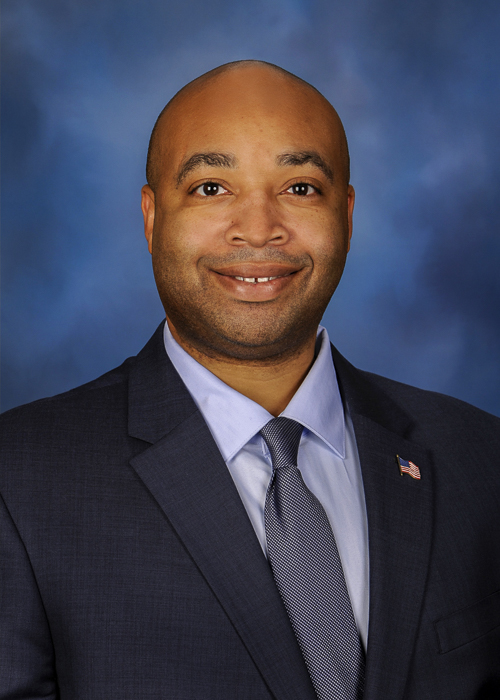
104th Regular Session Introduced by Justin Slaughter

Requires Illinois grades 7–12 to get at least 3 hours of public safety and police engagement instruction (funding permitting), covering laws, encounters, and post‑incident steps.

Rule 19(a) / Re-referred to Rules Committee
0
WeVote Research Nonpartisan
Bill Summary · HB 3429

Summary — HB 3429 (2025) — "Public safety and police engagement training curriculum"

Sponsor: Rep. Justin Slaughter
Status (as of filing): Rule 19(a) / Re‑referred to Rules Committee (introduced Feb 18, 2025; assigned to Education Policy; read 1st time Mar 21, 2025)

Purpose

HB 3429 would add a new required school‑based instruction topic to the School Code focused on public safety and police engagement. Its intent is to provide middle and high school students with structured information about laws and penalties, how police respond to incidents and how students should respond during police encounters, and steps to take afterward (including how to obtain information and file complaints).

Key provisions

  • Adds Section 27‑23.19 to the School Code (Courses of Study).
  • Beginning with the 2027–2028 school year, a school district shall provide a minimum of 3 hours of instruction for students in grades 7 through 12, provided funds are available (public or private).
  • Required instruction topics (as listed in the bill):
    1. Legal aspects: explains laws and penalties related to police interactions and criminal offenses (the text enumerates obstructing justice/obstructing and several offense categories such as weapon, narcotics, violent, and sex offenses).
    2. Responding to a police encounter: explains how police respond to situations, what officers look for, reasons for commands/directives, and guidance on a juvenile’s response (importance of obeying commands, do’s and don’ts, and situational awareness).
    3. The aftermath: how to get answers about what occurred, how to obtain information relevant to future situations, and proper ways to file complaints.
  • A school board may deliver this instruction within existing courses of study (i.e., no standalone course required).
  • The State Board of Education may prepare and make available resource materials to guide local curriculum development.
  • Effective date: the Act would take effect upon becoming law.

Note: the introduced bill text contains some formatting/drafting inconsistencies in the enumerated subpoints; the summary above follows the substantive topics as presented.

Who is affected

  • Primary: students in grades 7–12 in Illinois public school districts (subject to district participation and available funding).
  • Secondary: school districts, school boards, teachers/administrators (responsible for curriculum delivery), and the State Board of Education (may produce guidance).
  • May involve partnerships with law enforcement, legal experts, or community organizations if districts use outside resources.

Implementation, funding & timeline

  • Instruction requirement begins in the 2027–2028 school year only if funding (public or private) is available. This makes actual implementation contingent on districts securing resources.
  • The State Board of Education is authorized (but not required) to create resource materials to assist districts.

Potential impacts and considerations

  • Could increase student knowledge of legal obligations, safety, and post‑encounter remedies.
  • Implementation consistency will depend on funding, available materials, and local curricular decisions.
  • Potential costs (materials, staff training) could affect district budgets; the bill includes the “state mandates” header indicating that reimbursement issues may be relevant.
  • Content development raises policy considerations about balance, age‑appropriateness, and alignment with students’ civil‑rights information.

Compiled from official sources — confirm details with the bill’s official record.

Sign in to ask a question.