

WeVote

Bill

Bill

HR 5900

SCAM Act

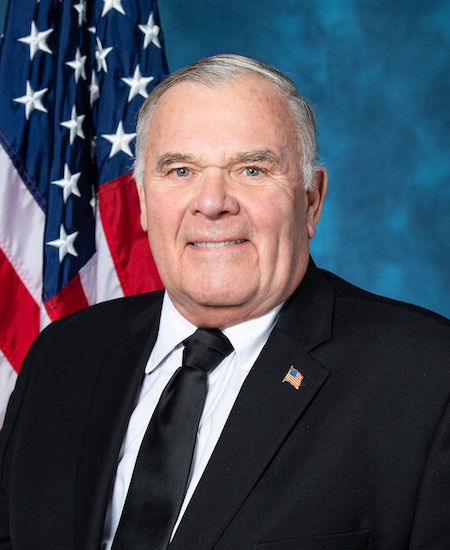
119th Congress Introduced by Jim Baird

The SCAM Act enhances protections against scams, increasing penalties and promoting consumer education to safeguard individuals, businesses, and government entities.

Introduced in House
0
WeVote Research Nonpartisan
Bill Summary · HR 5900

Summary of HR 5900 - SCAM Act

Introduction

The SCAM Act (HR 5900) was introduced in the House of Representatives on October 31, 2025. The bill aims to address issues related to scams and fraudulent activities, particularly those that exploit individuals and undermine trust in various sectors.

Purpose and Intent

The primary purpose of the SCAM Act is to enhance protections against scams and fraudulent schemes that target consumers, businesses, and government entities. The bill seeks to establish stronger measures for prevention, detection, and enforcement against such activities, thereby promoting a safer environment for all stakeholders.

Key Provisions

While the specific text of the bill is not provided, typical provisions in legislation aimed at combating scams may include:

  • Increased Penalties: Enhancing penalties for individuals and organizations found guilty of perpetrating scams.
  • Consumer Education: Initiatives to educate the public about recognizing and reporting scams.
  • Collaboration with Agencies: Encouraging collaboration between federal, state, and local agencies to share information and resources in combating scams.
  • Reporting Mechanisms: Establishing or improving reporting mechanisms for victims of scams to report incidents and seek assistance.

Who Would Be Affected

The SCAM Act would impact a wide range of stakeholders, including:

  • Consumers: Individuals who may be targeted by scams, particularly vulnerable populations such as the elderly.
  • Businesses: Companies that may face reputational damage or financial loss due to scams.
  • Government Agencies: Entities responsible for consumer protection and law enforcement that would need to implement new measures and collaborate on enforcement.

Procedural Aspects

  • Current Status: As of now, the bill has been referred to the House Committee on Foreign Affairs for further consideration.
  • Next Steps: The committee will review the bill, potentially hold hearings, and make recommendations for amendments or approval before it can proceed to the full House for a vote.

Conclusion

The SCAM Act represents a proactive approach to combatting scams and protecting consumers and businesses from fraudulent activities. As the bill progresses through the legislative process, further details will emerge regarding its specific provisions and potential impacts. Stakeholders are encouraged to stay informed about developments related to this important legislation.

Compiled from official sources — confirm details with the bill’s official record.

Sign in to ask a question.